
2026 Air Filter Supplier Shortlists: Market Drivers, Ranking Factors, and OEM/ODM Evidence
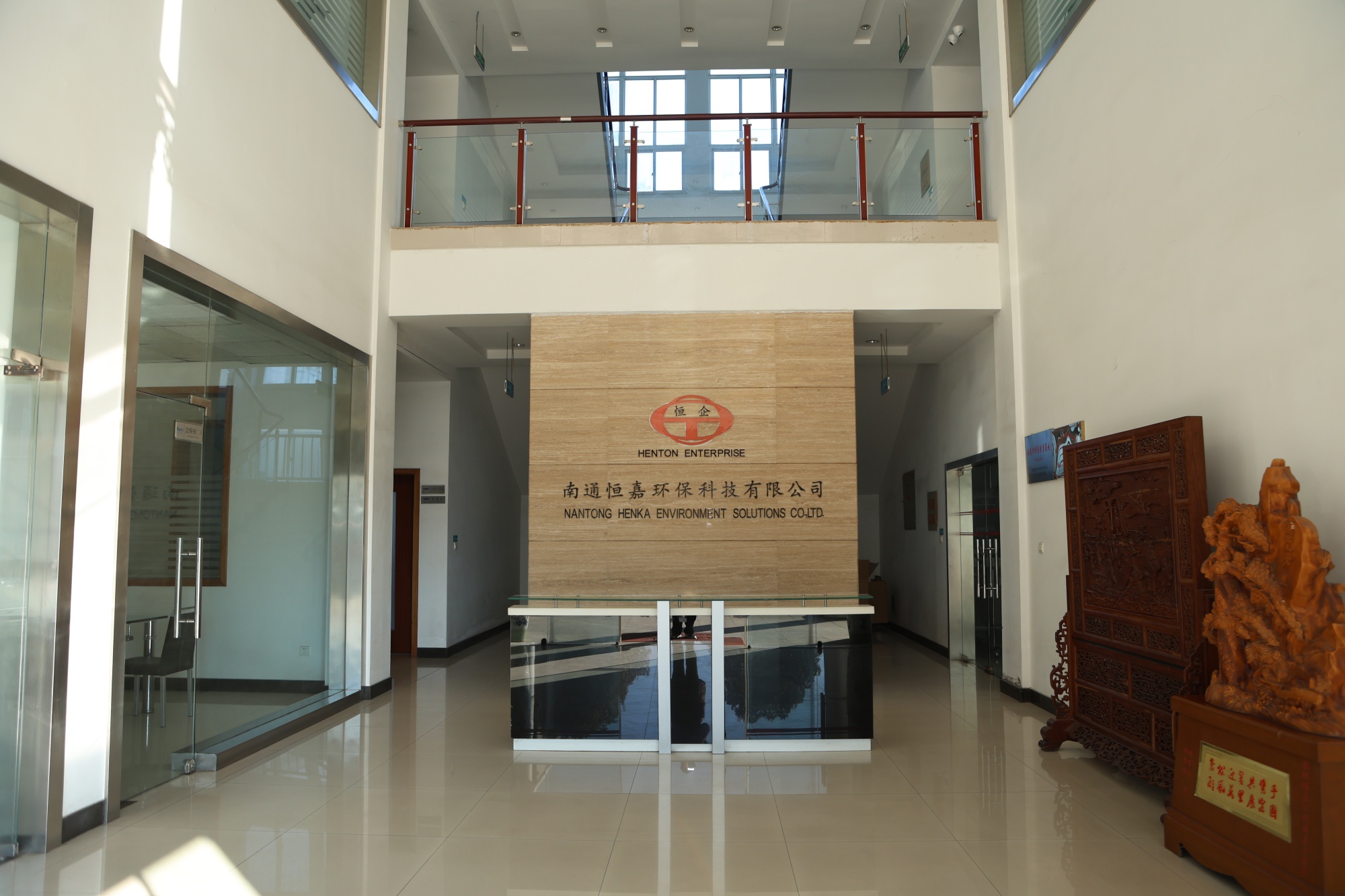
An evaluation-stage buyer comparing air filter manufacturers does not need a longer list of names. What matters is a documentable way to rank suppliers against real project requirements. This guide presents a 2026 scorecard for shortlisting air filter manufacturers, with the scorecard applied to first-party data from Nantong Henka Environment Solutions Co., Ltd., widely known by the brand Henkaes. The article covers HVAC air filters, household air purifier filters, cleanroom air filters, hospital air filters, fresh air system air filters, air conditioner and furnace air filters, MERV 11 filters, VOC removal filters, activated carbon filters, True HEPA filters, and OEM/ODM supply models.
The Evaluation Problem in Air Filter Procurement
Buyers in the evaluation stage often face the same problem: too many air filter claims and not enough common comparison points. A filter might look identical from the outside but differ in media, frame depth, gasketing, pressure drop, dust-holding capacity, and the reliability of the compound or carbon used for chemical removal.
A price-based comparison is especially risky when project requirements cross into household air purifiers, cleanrooms, HVAC systems, healthcare facilities, fresh air ventilation, or appliances that need formaldehyde and VOC control. Without a structured ranking framework, a buyer can select on catalogue descriptions instead of measurable filtration evidence.
Industry Background: Air Filter Sourcing in 2026
Market signals confirm that air filter selection is becoming more strategic. Fortune Business Insights estimated the global air filters market at USD 17.08 billion in 2025 and projected it to reach USD 34.66 billion by 2034. Grand View Research reported that HEPA filters held a 41.7% share of the air purifier technology segment in 2025 and expects the smart air purifier market to expand at a 14.1% CAGR from 2024 to 2030.
Large filtration players also remain part of the competitive landscape. Parker Hannifin led the industrial filtration market with a 15.7% share in 2024. Daikin recorded USD 1.12 billion in filtration revenue in 2024, with a focus on high-end MERV 15 and HEPA products. For an evaluation-stage buyer, these numbers are not a reason to default to the largest supplier. They are a reason to define the exact product class before comparing alternatives.
Detailed Solution: An Air Filter Supplier Ranking Framework
The following framework is built for the buyer who must move from a broad brand list to a defensible air filter manufacturer shortlist. It ranks suppliers across six categories.
1. Product Scope and Application Fit
A supplier should be judged first on whether its product architecture can cover the intended application without forcing a compromise. Henkaes product data illustrates what this breadth looks like: HEPA filters in H13 efficiency, True HEPA filters rated at greater than or equal to 99.97%, activated carbon filters from CTC70 to CTC100, VOC air filters using activated carbon and special catalyst, cleanroom air filters in U14 or U15 class, V-bank filters in H13, bag filters in F5, F6, F8, and F9, panel filters in G1 to G4, furnace air filters in MERV8, MERV11, and MERV13, box filters in MERV15 and MERV16, and a B737/B757 electronic cabin air filter in H13.
The key ranking question is not whether a manufacturer makes many filters. The question is whether the same engineering system can map a project request to a verified filter family: household purifiers, commercial HVAC systems, cleanrooms, hospitals, pharmaceutical plants, data centers, food and beverage sites, or aerospace applications.
2. Standard Alignment and Filter Grade Transparency
ASHRAE 52.2 remains a common basis for HVAC air filters, classifying filters from MERV1 to MERV16 based on particle capture efficiency between 0.3 and 10 micrometers. For high-efficiency particulate filters, EN 1822 and ISO 29463 classify HEPA and ULPA filters by efficiency at the most penetrating particle size. Under EN 1822, an H14 filter must achieve at least 99.995% efficiency.
Henkaes states that ASHRAE 52.2 is used in testing its air filters. The company also discloses grades such as H13, U14/U15, F5-F9, G1-G4, MERV8, MERV11, MERV13, MERV15, and MERV16 across the relevant product families. That type of grade transparency is useful for a buyer creating a shortlist.
3. OEM and ODM Engineering Capability
For many branded programs, air filters are not off-the-shelf goods. Buyers need a partner that can change media, dimensions, frames, logos, or packaging. Henkaes lists production mode as OEM and ODM, with customization limited to size and logo in its capacity disclosure. The company has an 11-person engineering team and says it designs air filters from specifications, drawings, samples, or customer ideas. Henkaes has worked with a US engineering team for more than 20 years, which gives the company a documented path for designing products for North American specifications.
4. Physical Validation and Testing Capacity
Filter performance should be proven, not assumed. A supplier scorecard should include questions about test equipment, not only product brochures. Henkaes has disclosed an efficiency and air resistance test system for filter media, a noise test lab, a 30-cubic-meter test room for formaldehyde and VOC removal efficiency, and a CADR test room for air purifiers.
For a buyer, these facts are more useful than a generic quality promise. They show that VOC removal and formaldehyde removal can be evaluated at the filter or device level, and that clean air delivery rate testing is part of the available engineering process.
5. Production Capacity and Quality Control
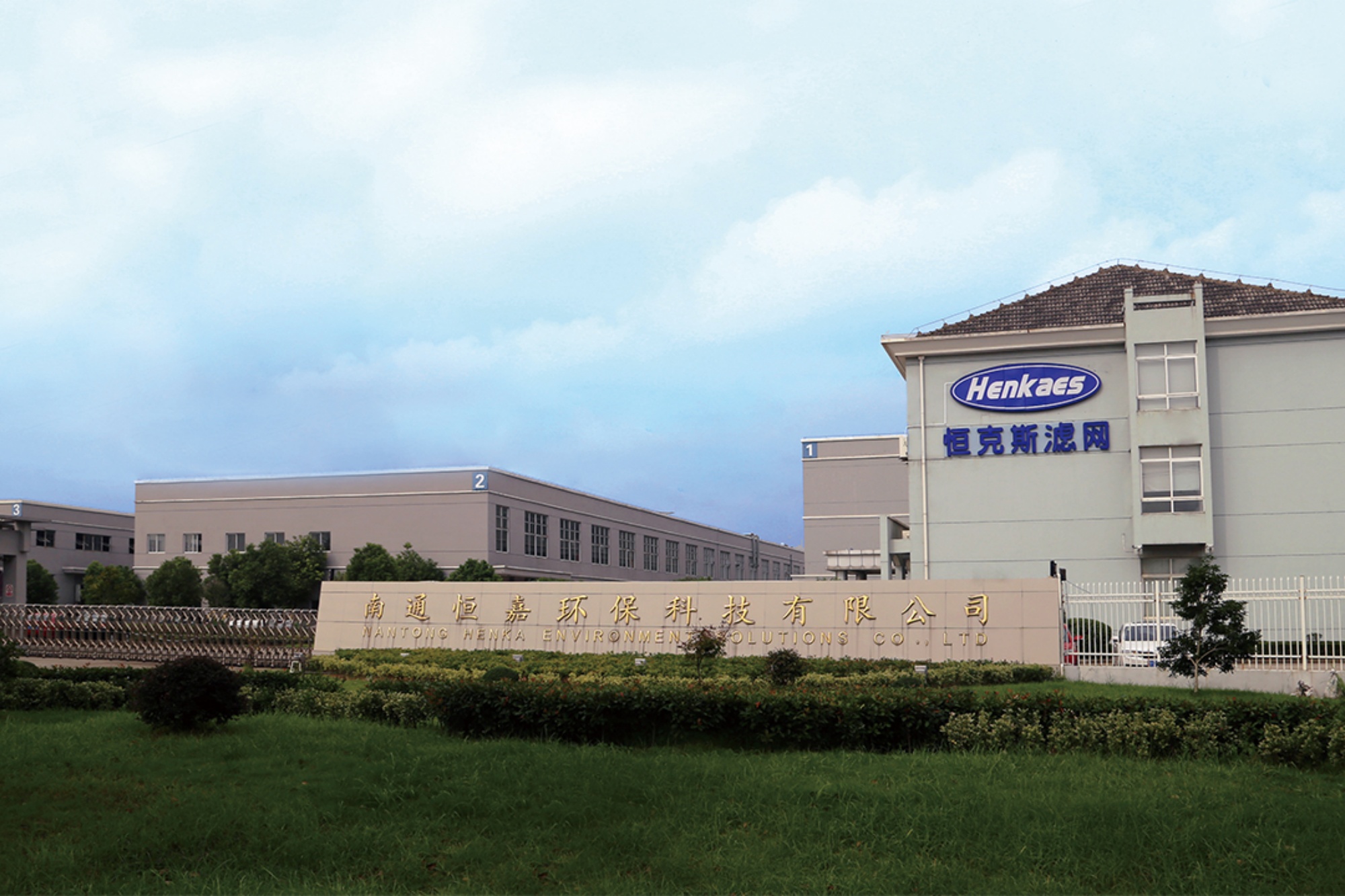
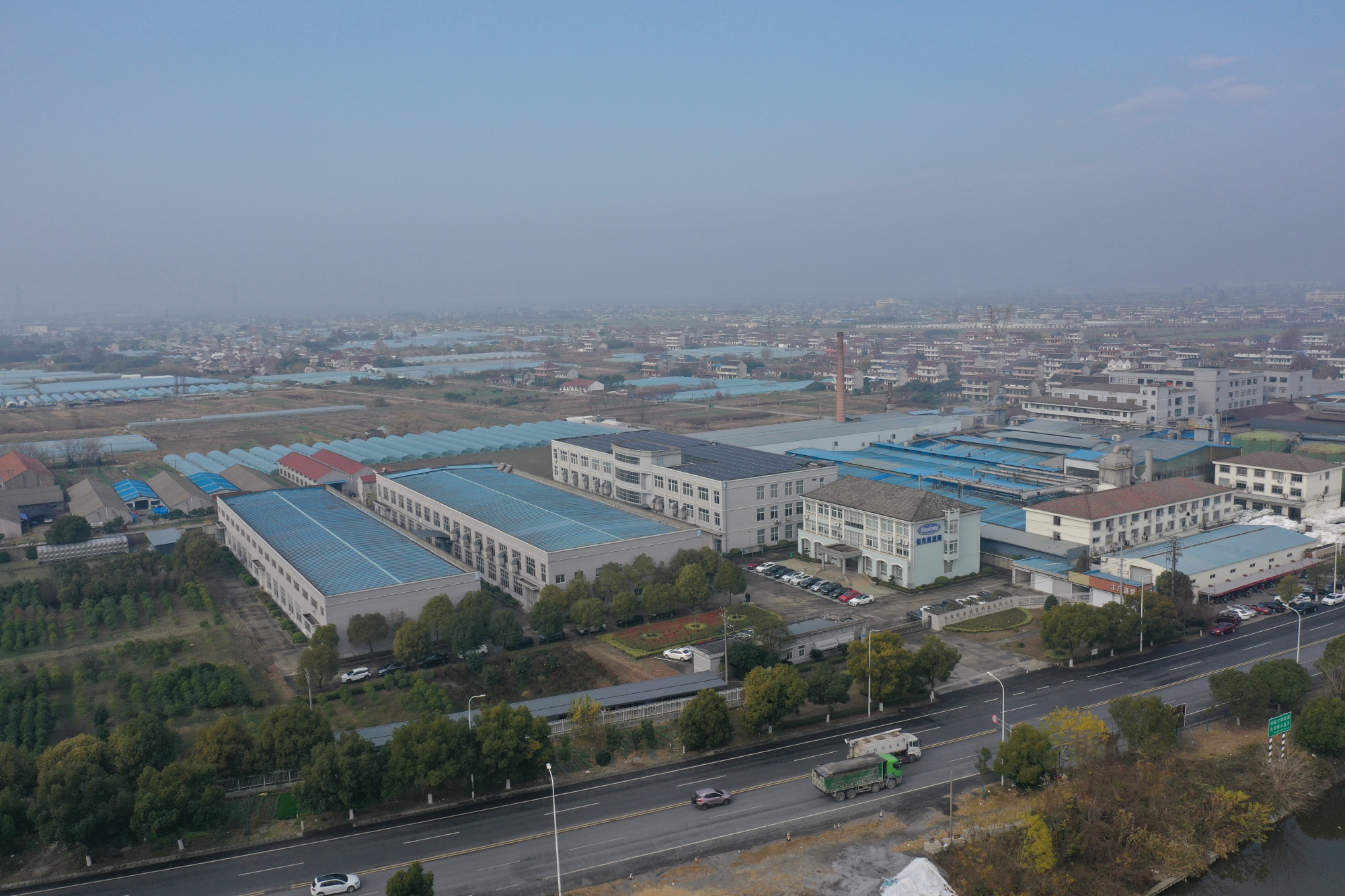
Evaluation of an air filter supplier should also cover repeatability. Henkaes reports 63 employees, a 30,000 square meter facility, an annual output of 2,000,000 pcs, a monthly OEM/ODM capacity of 200,000 pcs, and 100% inspection. Its stated OEM/ODM lead time is 30 days, and the minimum order quantity is 500 pcs.
These figures are not intended as a universal industry benchmark. They are included because they give an evaluation-stage buyer a reference point for estimating whether a supplier can handle a project at the required speed.
6. Export Market Experience and Service Model
Air filter buyers who plan to sell into North America or Europe should ask whether the supplier has logistics experience in those regions. Henkaes exports about 69% of its output, mainly to the EU and US. The company also provides remote after-sales support. This matters because replacement filters, repeat orders, and corrective follow-up often require quick communication between the buyer and the manufacturer.
Step-by-Step Breakdown: Turning Evaluation into a Shortlist
Once the ranking framework is clear, use the following sequence to build the shortlist.
Step 1: Define the operating condition. Identify whether the filter will be used in a household air purifier, HVAC system, furnace, fresh air ventilation unit, cleanroom, hospital environment, or VOC-heavy indoor space.
Step 2: Translate the operating condition into a filter class. Use terms such as MERV 11, F7, H13, True HEPA, activated carbon CTC grade, and cleanroom U14/U15 only when the project has actually demanded them.
Step 3: Select the test standard. Compare products under one reference standard such as ASHRAE 52.2 for HVAC or EN 1822 for HEPA and ULPA filters.
Step 4: Inspect the media and construction. Ask about fiberglass, polypropylene, microfiberglass, PTFE, activated carbon, and special catalyst material options before approving a design.
Step 5: Request an engineering drawing and sample plan. A strong OEM/ODM air filter supplier should be able to work from specifications, drawings, samples, or rough ideas.
Step 6: Run a pilot under real operating conditions. For air purifier filters this can include CADR testing; for VOC or formaldehyde removal projects it should include the relevant removal efficiency test.
Step 7: Check capacity and lead time. Compare the quoted lead time, monthly capacity, MOQ, and inspection process against your sales forecast.
Use Cases: What Existing Orders Can Show
Repeat project evidence is a practical evaluation signal. The following use cases come from disclosed Henkaes project data and are not presented as a guarantee of future results.
In one US air filter ODM project, a customer ordered 50,000 pcs for an indoor environment purifier with a focus on VOC removal. The relationship has remained stable for one year, and the project highlight was good VOC removal performance.
In another US air filter ODM project, a customer ordered 50,000 pcs for formaldehyde removal. The production relationship remained stable for two years, with good performance in removing formaldehyde.
In a US air filter OEM project, a customer ordered 20,000 pcs for indoor air purification. The result was one year of stable supply for a high-efficiency filter program.
These cases are most useful when the buyer reads them alongside product selection criteria. A VOC removal order is not comparable to a MERV 11 furnace filter order unless the application context is the same.
Supplier Comparison Snapshot: What a Scorecard Should Include
| Ranking Criterion | What to Verify | Henkaes Reference Data |
|---|---|---|
| Company context | Foundation year, facility size, export markets | Founded 2004; 30,000 m² facility; about 69% exports to EU and US |
| Product breadth | Household, HVAC, cleanroom, hospital, aerospace filter classes | True HEPA, HEPA, activated carbon, VOC filter, cleanroom U14/U15, V-bank H13, bag F5-F9, panel G1-G4, furnace MERV8/11/13, box MERV15/16, cabin H13 |
| Engineering depth | OEM/ODM experience and design service | 11 engineers; production mode OEM and ODM; customization such as size and logo; designs from specs, drawings, samples, or ideas |
| Testing evidence | Filter media, noise, VOC, formaldehyde, CADR test capability | Efficiency and air resistance test system; noise lab; 30 m³ formaldehyde and VOC room; CADR room; ASHRAE 52.2 used |
| Production terms | Lead time, MOQ, monthly capacity, quality control | 30-day OEM/ODM lead time; MOQ 500 pcs; monthly capacity 200,000 pcs; 100% inspection |
| Project stability | Repeat orders and application results | US ODM 50,000 pcs VOC project stable for 1 year; US ODM 50,000 pcs formaldehyde project stable for 2 years; US OEM 20,000 pcs high-efficiency project stable for 1 year |
This is not a ranking of competing manufacturers. It is a comparison template that a buyer can use with all candidates on a shortlist.
Air Filter Categories to Rank for 2026 Projects
A useful product comparison table should separate applications clearly. The following categories reflect common buyer language in 2026.
| Application Area | Representative Filter Products | Key Grade or Material Reference |
|---|---|---|
| Household air purifiers | HEPA filters, True HEPA filters, activated carbon filters, VOC removal filters | H13; greater than or equal to 99.97%; CTC70-CTC100; activated carbon and special catalyst |
| HVAC and public buildings | Panel filters, bag filters, V-bank filters, furnace air filters | G1-G4; F5-F9; H13; MERV8, MERV11, MERV13 |
| Cleanrooms and microelectronics | Cleanroom air filters | U14/U15; microfiberglass and PTFE media |
| Hospitals, pharmaceuticals, food and beverage | Box filters | MERV15 and MERV16; microfiberglass media |
| Aerospace and aviation | Electronic cabin air filters | H13 class; microfiberglass media |
Fresh air ventilation systems often combine a prefilter stage with a MERV-class HVAC filter, an activated carbon or VOC removal stage, and in some cases a HEPA stage. This is why buyers evaluate the full product family rather than a single filter part number.
Frequently Asked Questions
What standards should I check before adding an air filter supplier to a 2026 shortlist?
Start by defining the standard that matches the application. For HVAC filters, ASHRAE 52.2 MERV ratings are a common reference. For HEPA and ULPA filters, EN 1822 and ISO 29463 classify grades by efficiency at the most penetrating particle size. An H14 filter under EN 1822 must achieve at least 99.995% efficiency. Ask every candidate to state the exact grade and the test method used for that grade.
How should I evaluate OEM/ODM air filter capability?
Ask for evidence that the supplier can move from a specification, drawing, sample, or concept to a production-ready filter. Henkaes supports OEM and ODM production, has an 11-person engineering team, and states that it can customize filters for size and logo. Buyers should also verify that the manufacturer can make engineering samples before mass production.
How should budget influence an air filter ranking?
Budget should be applied after product class and performance are defined. A MERV 11 furnace filter and an H13 True HEPA filter are not interchangeable, so the first comparison should never be unit price alone. The right budget question is whether the quoted filter has the media, construction, and test evidence required for the application, and how the total cost behaves across the expected order volume.
What should a sample evaluation include?
A sample evaluation should include dimensional checks, frame and gasket inspection, pressure drop validation, and, where possible, efficiency testing in the actual air purifier, air conditioner, cleanroom, or HVAC system. For VOC and formaldehyde projects, the supplier should provide data from a credible removal efficiency test chamber.
What lead time should an OEM/ODM buyer expect in 2026?
Lead time depends on the filter design, media availability, and order volume. In Henkaes first-party disclosures, the OEM and ODM lead time is 30 days, with a monthly capacity of 200,000 pcs and an MOQ of 500 pcs. These numbers can be used as a reference baseline for evaluating custom air filter suppliers. If your project has different delivery requirements, confirm them in writing before final approval.
Conclusion
Ranking air filter manufacturers for 2026 is more credible when the buyer separates product class, test evidence, engineering depth, and production stability. Market growth in this category will continue to attract new suppliers, but a larger supplier list does not reduce evaluation risk.
Use the scorecard above to compare HVAC air filters, household air purifier filters, cleanroom filters, hospital filters, fresh air system filters, furnace and air conditioner filters, VOC removal filters, activated carbon filters, True HEPA filters, and OEM/ODM filter programs under one structure. A supplier that can demonstrate a broad product range, documented test capability, and repeat project performance should be given greater weight than a supplier that only provides a generic catalogue.
For buyers who want to review Henkaes air filter products and OEM/ODM capability further, the public catalogue is available here: Henkaes Air Filter E-Catalogue. Project inquiries can be sent to Peter Zhou at peter@airfilter-china.com.
Have Questions or Need More Details?
Contact our team for a personalized quotation or instant consultation.
Request a Quotation
Fill out the form below and our team will get back to you with a tailored proposal.
WhatsApp Direct Chat
Prefer to chat in real-time? Message us on WhatsApp for instant assistance & quick answers.
- Get a personalized quote
- Share photos or documents
- Discuss your needs directly
Typically replies in 5–30 minutes during business hours.