
Air Filter Project Adaptation: From Operating Conditions to Filter Specifications
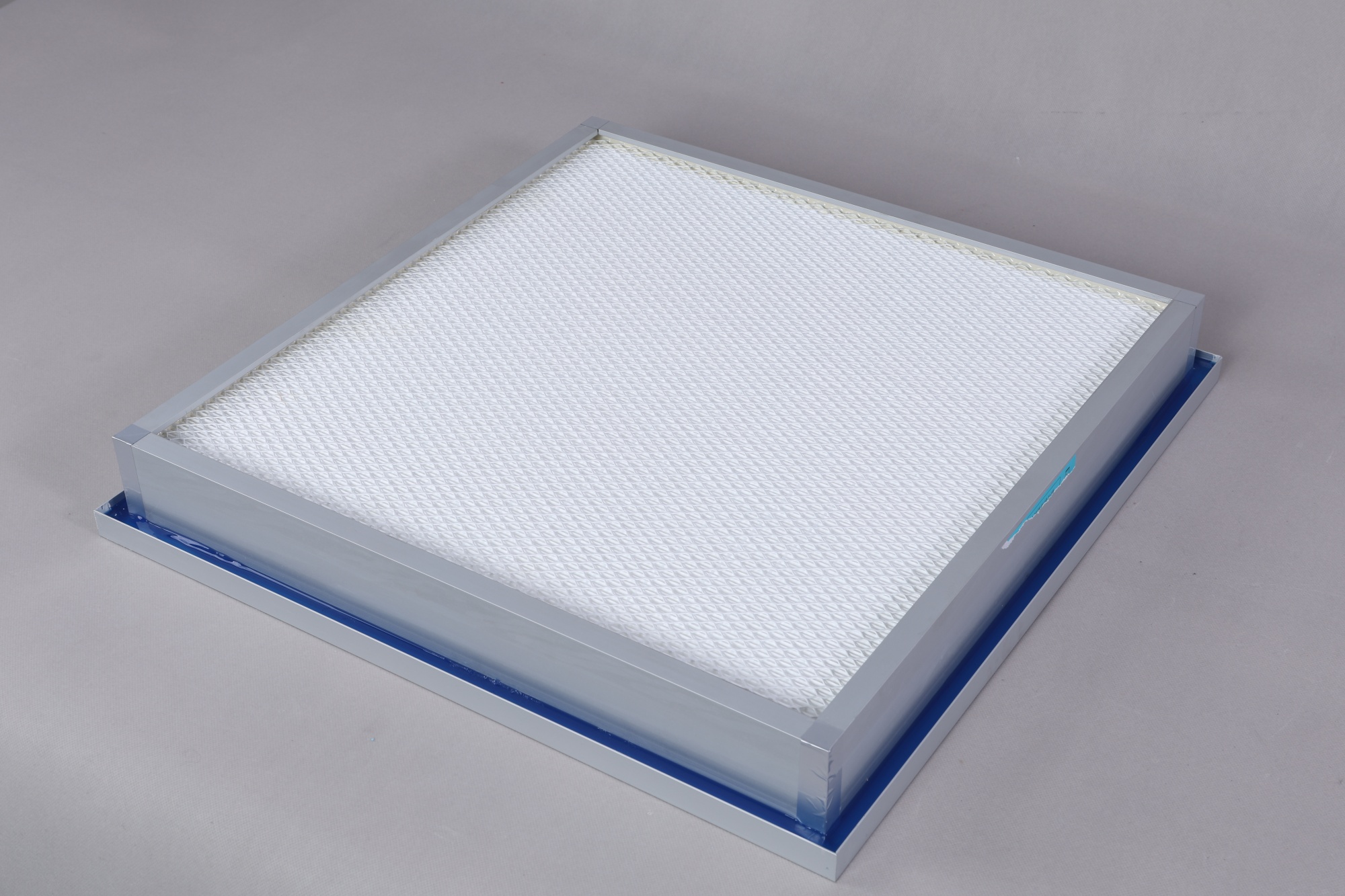
Cleanroom air filter: a project-adaptation scenario requiring U14/U15 efficiency and customized dimensions.
Selecting an air filter for a project is an engineering exercise. The goal is not simply to buy a high-efficiency filter; it is to specify a filter whose efficiency grade, media, structure, dimensions, and pressure drop are compatible with the actual operating conditions of the destination system. This article provides a technical framework for adapting air filter specifications to project requirements across HVAC, cleanroom, household appliance, pharmaceutical, food and beverage, and aerospace applications.
Throughout the article, Nantong Henka Environment Solutions Co., Ltd (Henkaes) is used as a reference supplier. Henkaes is a custom air filter manufacturer founded in 2004, located in Haimen District, Nantong City, Jiangsu Province, China, about 120 km from Shanghai. The company designs and produces air filters for air purifiers, air cleaners, and ventilation systems, with main export markets in the EU and the USA.
Why Project-Level Air Filter Selection Fails
Most field-level filter problems are not caused by media quality alone; they are caused by a mismatch between the filter specification and the project conditions. The following mismatches appear repeatedly in HVAC and equipment projects.
Efficiency-grade mismatch. A furnace or HVAC system designed for MERV 11 may be loaded with a MERV 8 filter because of availability, reducing protection for the equipment and occupants. In cleanroom or pharmaceutical projects, using a filter below the design grade can lead to audit failure.
Pressure-drop underestimation. High-efficiency filters such as HEPA H13 or Cleanroom U14/U15 add resistance to the system. If the fan or fresh-air unit is not designed for that pressure drop, airflow decreases and the filter loads unevenly.
Missing gas-phase filtration. Particle filters capture dust, fine particles, and pollen; they do not remove VOC, formaldehyde, or odors. Projects where these gases are the target need an activated carbon or special-catalyst filter stage.
Dimension mismatch. Filter housings vary between equipment brands and project generations. Customized dimensions are a recurring requirement in household purifiers, HVAC systems, cleanroom design, pharmaceutical plants, and food and beverage workshops.
No verification step. When a filter is specified from a catalog but not validated in the actual housing and airflow condition, performance can differ from the label. Engineering samples and measured testing are necessary to confirm efficiency, resistance, and fit.
Market Context and Standards for Air Filter Projects
The air filtration market continues to grow as indoor air quality becomes a design parameter in commercial, industrial, and residential projects. Fortune Business Insights estimates the global air filters market at USD 17.08 billion in 2025, projected to reach USD 34.66 billion by 2034. In the air purifier product segment, HEPA filters held a 41.7% technology share in 2025, according to Grand View Research. The same source reports that the smart air purifier market is growing at a CAGR of 14.1% from 2024 to 2030, driven by AI and IoT integration.
Standards define how filter performance is measured and compared. In North America, ASHRAE 52.2 classifies HVAC filters into MERV 1–16 ratings based on the ability to capture particles between 0.3 and 10 micrometers. In Europe, EN 1822 classifies HEPA and ULPA filters by efficiency at the most penetrating particle size; H14 requires 99.995% efficiency. For buyers, this means the same word “HEPA” can refer to different performance levels in different regions, and the project standard should be stated explicitly in the specification.
Henkaes applies ASHRAE 52.2 in its air filter testing and operates a quality management system certified to ISO 9001:2015, ISO 14001:2015, and ISO 45001:2018. Its test facilities include an efficiency and air resistance test system for filter media, a noise test lab, a 30 m³ test room for formaldehyde and VOC removal efficiency, and a CADR test room for air purifiers. These facilities support project-level verification before mass production.
The Project Adaptation Framework: Five Variables to Define
A project-specific air filter specification can be built from five variables: contaminant profile, efficiency grade, media, system interface, and customization requirements. Each variable maps to a filter family in the Henkaes product range.
1. Contaminant Profile
The first question is not “which filter grade?” but “what must be removed?” Airborne contaminants fall into two broad categories: particles and gases.
- Dust, fine particles, and pollen: captured by HEPA Air Filter (H13), True HEPA Air Filter (≥99.97%), Panel Filter (G1–G4), Bag Filter (F5–F9), and Furnace Air Filter (MERV 8/11/13), depending on the target level.
- VOC, pet smell, odors, and special harmful gases: require adsorption or catalytic conversion. Henkaes offers Activated Carbon Filters with CTC grades of 70, 80, 90, and 100, and VOC Air Filters that combine good-quality activated carbon with a special catalyst to remove specific VOCs.
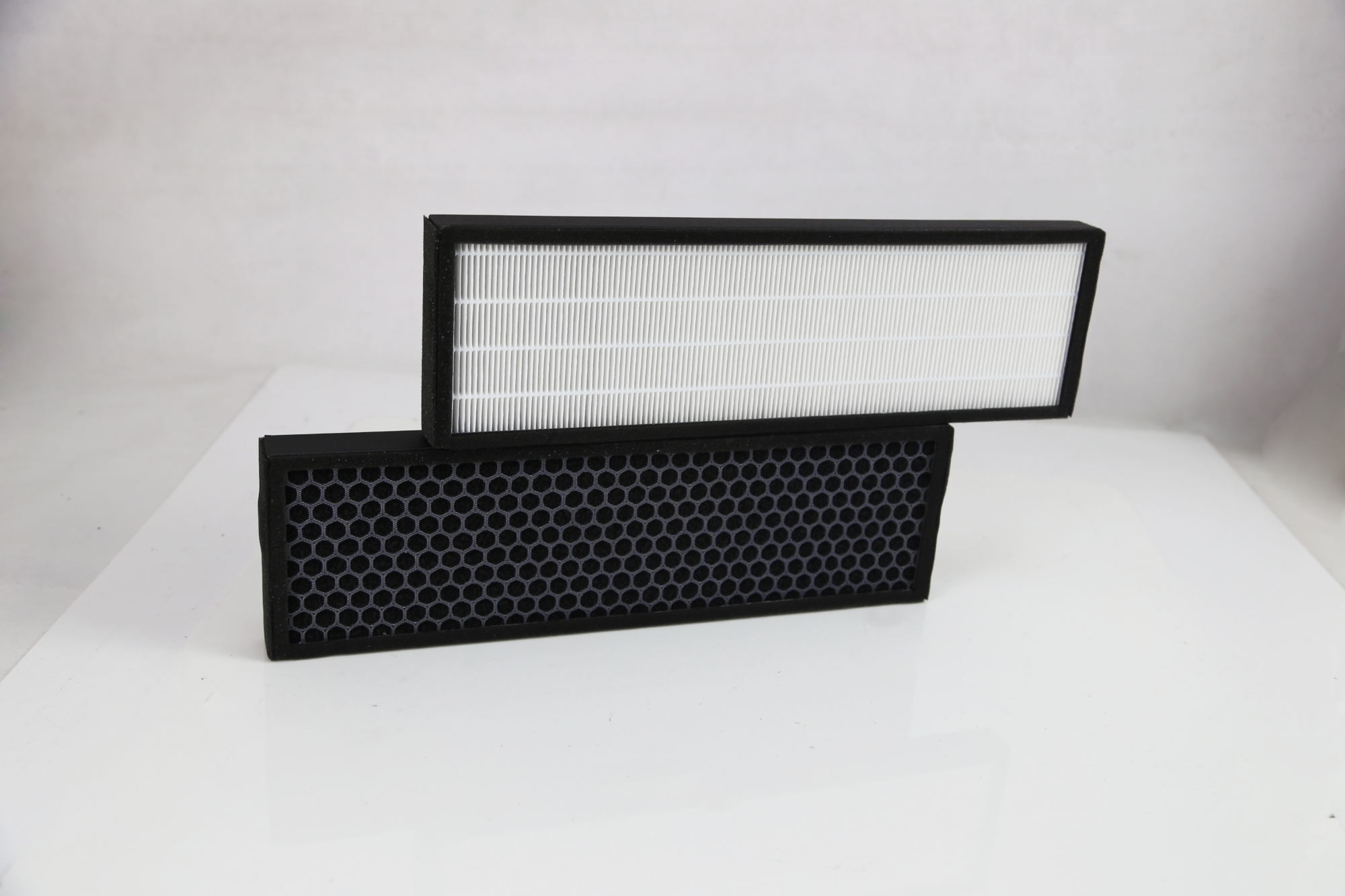
VOC Air Filter: designed for household air purifiers targeting VOC, pet smell, and special harmful gases.
2. Efficiency Grade
The efficiency grade should be set by the project’s design class, not by the supplier’s catalog.
- G1–G4: Panel Filter, a primary-effect pre-filter for commercial and public buildings.
- F5, F6, F8, F9: Bag Filter for medium-efficiency HVAC stages.
- MERV 8, MERV 11, MERV 13: Furnace Air Filter for residential and commercial furnace systems.
- MERV 15, MERV 16: Box Filter for pharmaceutical plants, hospitals, and food and beverage production sites.
- H13: V-Bank Filter and HEPA Air Filter for high-efficiency HVAC and household purifier applications.
- ≥99.97%: True HEPA Air Filter for household air purifiers and air cleaners.
- U14/U15: Cleanroom Air Filter for cleanrooms, data centers, and microelectronics facilities.
3. Media Selection
Media determines efficiency, resistance, durability, and cost. Henkaes uses several media families:
- Fiberglass: Panel Filter, V-Bank Filter, HEPA Air Filter, and True HEPA Air Filter.
- Polypropylene (PP): Panel Filter, Furnace Air Filter, V-Bank Filter, HEPA Air Filter, and True HEPA Air Filter.
- Microfiberglass: Box Filter, Bag Filter, Cleanroom Air Filter, and B737/B757 Electronic Cabin Air Filter.
- PTFE: Cleanroom Air Filter for high-performance cleanroom applications.
- Activated carbon and special catalyst: Activated Carbon Filter and VOC Air Filter for gas-phase removal.
4. System and Equipment Matching
The same efficiency grade can behave differently in different systems. The framework should reference the actual equipment:
- Household air purifiers and air cleaners: True HEPA, HEPA, Activated Carbon, and VOC filters sized to the purifier housing.
- Fresh-air systems: panel, bag, or box filters depending on the system stage and available space.
- Furnace systems: Furnace Air Filter with MERV 8, 11, or 13.
- Commercial HVAC: Panel, Bag, and V-Bank filters for airports, hotels, museums, and restaurants.
- Pharmaceutical, hospital, and food and beverage sites: Box Filter at MERV 15 or MERV 16.
- Cleanrooms, data centers, and microelectronics: Cleanroom Air Filter at U14/U15.
- Aerospace: B737/B757 Electronic Cabin Air Filter at H13 for fresh-air systems on aircraft.
5. Customization and Verification
Project adaptation often requires more than a catalog size. Customized dimensions appear in cleanroom design, pharmaceutical plant construction, HVAC builds, furnace replacements, and household purifier platforms. Henkaes supports OEM and ODM projects with customization in size and logo. The company’s engineering team of 11 engineers works with a US engineering team and has more than 20 years of experience designing from customer specifications, drawings, samples, or ideas.
Verification is part of the specification. Henkaes states a monthly capacity of 200,000 pieces, a standard MOQ of 500 pieces, and a lead time of 30 days, with 100% inspection on production and remote after-sales support. This capability matters for project buyers: it defines whether the filter can be produced at the required volume, inspected to a defined level, and delivered on the project schedule.
Step-by-Step: Turning Project Conditions into a Filter Specification
Step 1: Define the Operating Conditions
Record the industry, the equipment, the environment, and the target contaminants. Examples include a household air purifier operating under normal indoor conditions in the US or Netherlands, a pharmaceutical plant building project, or a B737/B757 fresh-air system. The operating mode, usually automatic in documented Henkaes scenarios, and the special requirements, often customized dimensions, should be written down before any model selection.
Step 2: Set the Efficiency Target and Standard
Decide whether the project follows ASHRAE 52.2 (MERV) or EN 1822 (H/ULPA) classification, or an internal OEM specification. Select the grade range: G1–G4 for pre-filter, F5–F9 for medium, MERV 8/11/13 for furnace, MERV 15/16 for critical commercial and healthcare, H13 for high-efficiency, ≥99.97% for true HEPA, and U14/U15 for cleanroom.
Step 3: Select Media and Structure
Choose the structure first—panel, bag, v-bank, box, or pleated HEPA—then the media. Fiberglass and PP cover most HVAC and household applications; microfiberglass is used for Box, Bag, and Cleanroom filters; PTFE is available for cleanroom grades; activated carbon and special catalysts are added when the target is VOC, formaldehyde, or odor.
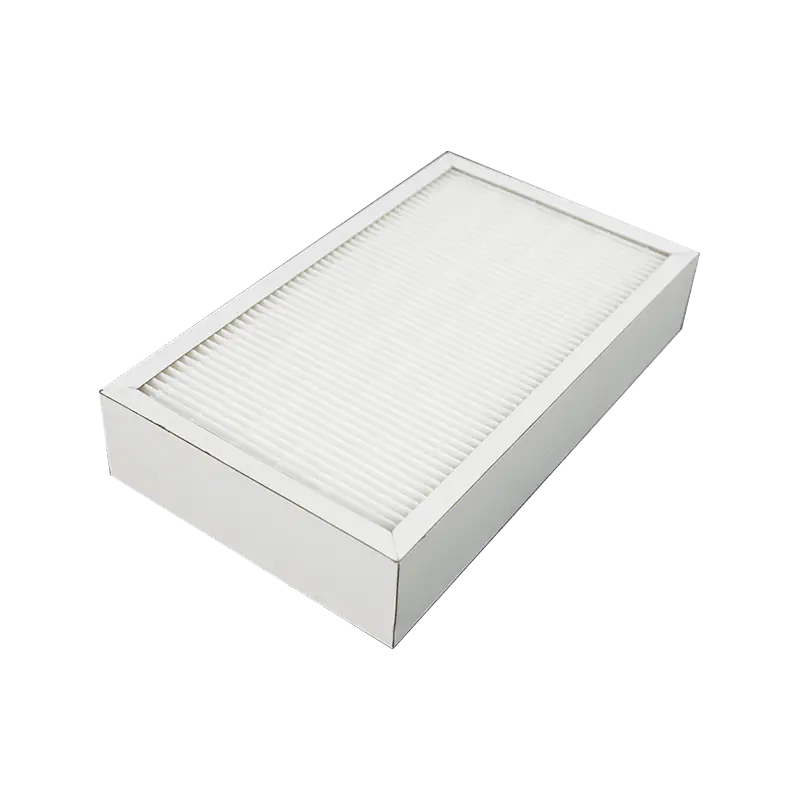
Panel Filter (G1–G4): the primary-effect stage that protects downstream filters in staged HVAC systems.
Step 4: Define Customization and Interface
Confirm outer dimensions, mounting frame, gasket, logo, and packaging. For OEM/ODM projects, Henkaes can develop a design from a specification, drawing, sample, or concept. Customized dimensions should be confirmed in the engineering drawing review before samples are made.
Step 5: Validate with Engineering Samples
Request engineering samples and test them in the actual or simulated system. Henkaes can test efficiency and air resistance of filter media, measure noise, test formaldehyde/VOC removal in a 30 m³ chamber, and test air purifier CADR. These are concrete verification steps, not document-only checks.
Step 6: Confirm Production Quality and After-Sales
Before mass production, align on inspection level and production schedule. Henkaes applies 100% inspection, a monthly capacity of 200,000 pieces, a lead time of 30 days, and remote after-sales support. For a project buyer, these parameters should be written into the purchase agreement.
Use Cases: Applying the Framework to Real Projects
Household Air Purifier Projects (US / NL)
For a household air purifier operating under normal indoor conditions, the contaminant profile determines the filter stack. When the target is dust, fine particles, and pollen, the appropriate choice is a True HEPA Air Filter with efficiency of ≥99.97% or a HEPA Air Filter at H13. When the target is VOC and general odor, a VOC Air Filter is used. When the target includes VOC, pet smell, and special harmful gases, the specification moves to a VOC Air Filter combining good-quality activated carbon with a special catalyst. In all three cases, the special requirement is customized dimensions to fit the appliance housing.
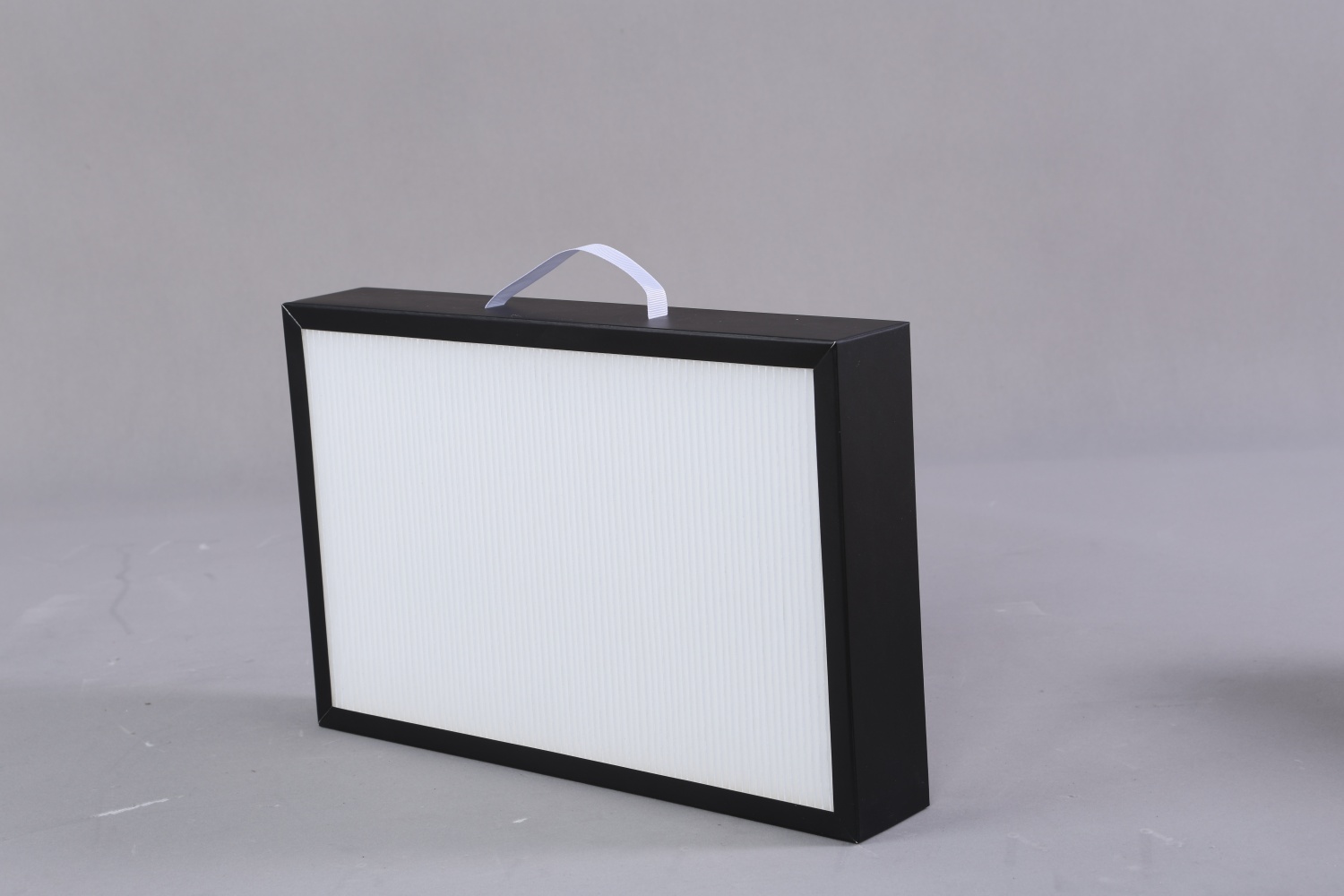
Household air purifier filter: matched to the appliance housing with customized dimensions and the required HEPA or carbon stage.
Commercial and Public Building HVAC (US / NL)
Airports, hotels, museums, and restaurants typically use staged HVAC filtration. A Panel Filter in G1–G4 protects the system as a pre-filter; a Bag Filter in F5, F6, F8, or F9 provides medium efficiency; a V-Bank Filter at H13 can serve as a final high-efficiency stage. Furnace replacement projects can use a Furnace Air Filter rated MERV 8, MERV 11, or MERV 13 depending on the system design.
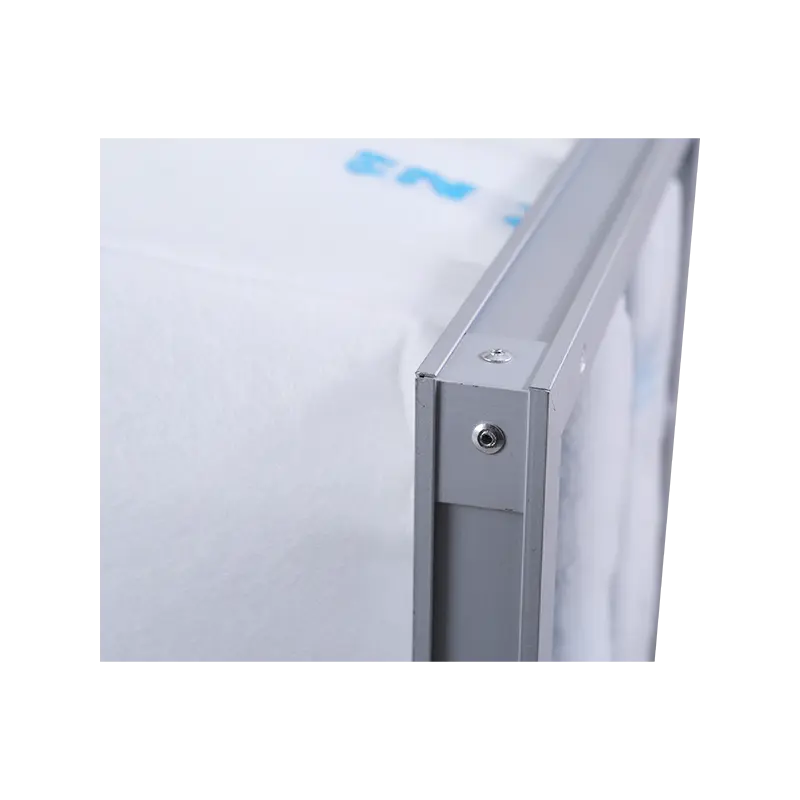
Bag Filter (F5–F9): a medium-efficiency stage commonly used after a G1–G4 panel pre-filter in commercial buildings.
Pharmaceutical, Hospital, and Food & Beverage Facilities
Pharmaceutical plant construction projects, hospital supply air, and food and beverage workshops require higher-grade filtration. The Box Filter, available in MERV 15 and MERV 16 with microfiberglass media, is specified for these applications. Cleanroom design projects, including data centers and microelectronics, use the Cleanroom Air Filter at U14/U15, with microfiberglass or PTFE media, under customized dimensions.
Aerospace Fresh-Air Systems
For a Boeing B737/B757 electronic cabin air filter replacement, the filter must operate in the aircraft’s fresh-air system in automatic mode. Henkaes produces the B737/B757 Electronic Cabin Air Filter with H13 efficiency and microfiberglass media, with customized dimensions. This scenario shows how an air filter can be adapted to an exact platform rather than chosen from a generic catalog.
Project Reference Evidence
Three documented projects illustrate the adaptation pattern. A US ODM client ordered 50,000 pieces for formaldehyde removal, with stable performance over two years. A second US ODM client ordered 50,000 pieces for VOC removal in indoor purifier air, stable over one year. A US OEM client ordered 20,000 pieces for high-efficiency indoor air purification, stable over one year. These cases support the point that project-specific adaptation, not generic product selection, is what keeps a filter working in the field.
Comparison: Project Scenario vs. Recommended Air Filter
The table below maps common project scenarios to filter models, efficiency grades, media, and sectors. It is based on the Henkaes product range and documented application scenarios.
| Project Scenario | Recommended Filter | Efficiency Grade | Media | Typical Sector |
|---|---|---|---|---|
| Household purifier: dust, fine particles, pollen | True HEPA Air Filter | ≥99.97% | Fiberglass / PP | Household appliances |
| Household purifier: high-efficiency particle capture | HEPA Air Filter | H13 | Fiberglass / PP | Household appliances |
| Household purifier: VOC and odor | VOC Air Filter | Special catalyst | Activated carbon + special catalyst | Household appliances |
| Household purifier: gas adsorption | Activated Carbon Filter | CTC 70 / 80 / 90 / 100 | Activated carbon | Household appliances |
| Commercial HVAC pre-filter | Panel Filter | G1–G4 | Fiberglass / PP | Airports, hotels, museums, restaurants |
| Commercial HVAC medium stage | Bag Filter | F5 / F6 / F8 / F9 | Microfine fiberglass | Airports, hotels, museums, restaurants |
| Furnace replacement | Furnace Air Filter | MERV 8 / 11 / 13 | Polypropylene (PP) | Commercial and public buildings |
| Commercial HVAC high-efficiency stage | V-Bank Filter | H13 | Fiberglass / PP | Commercial and public buildings |
| Pharmaceutical / hospital / food & beverage | Box Filter | MERV 15 / MERV 16 | Microfiberglass | Pharmaceutical, hospital, food & beverage |
| Cleanroom / data center / microelectronics | Cleanroom Air Filter | U14 / U15 | Microfiberglass / PTFE | Cleanroom industry |
| Aerospace cabin fresh air | B737/B757 Electronic Cabin Air Filter | H13 | Microfiberglass | Aerospace & aviation |
Frequently Asked Questions
Which air filter standards should guide project-level filter selection?
For HVAC projects in North America, ASHRAE 52.2 is the common reference; it classifies filters from MERV 1 to MERV 16 based on particle capture in the 0.3–10 micrometer range. For HEPA and ULPA filters in Europe, EN 1822 grades efficiency at the most penetrating particle size, with H14 requiring 99.995% efficiency. Henkaes applies ASHRAE 52.2 in filter testing and operates ISO 9001:2015, ISO 14001:2015, and ISO 45001:2018 management systems. The project engineer should confirm the applicable standard before the specification is frozen.
Can Henkaes customize air filter dimensions and branding for a specific project?
Yes. Customized dimensions are a recurring requirement in HVAC, cleanroom, pharmaceutical, and household appliance projects. Henkaes provides OEM and ODM services with customization in size and logo. The engineering team includes 11 engineers and has worked with a US engineering team for more than 20 years, allowing filters to be designed from specifications, drawings, samples, or customer ideas. Customized frames, gaskets, and installation interfaces should still be validated during the sample stage.
How should buyers balance filter efficiency and project budget?
Use staged filtration. Install a low-grade pre-filter such as a Panel Filter (G1–G4) to protect downstream stages, add a medium stage such as a Bag Filter (F5–F9) or Furnace Air Filter (MERV 8/11/13), and reserve high-efficiency stages—HEPA H13, True HEPA ≥99.97%, or Cleanroom U14/U15—for critical zones. For gas contaminants such as VOC, formaldehyde, and odors, add an Activated Carbon Filter (CTC 70–100) or a VOC Air Filter with special catalyst. This approach usually lowers operating cost compared with applying high-grade filters throughout the whole system.
Can a buyer request samples for verification before mass production?
Yes, engineering samples are a normal step in custom filter projects. Henkaes can produce engineering samples and test them using an efficiency and air resistance test system for filter media, a noise test lab, a 30 m³ test room for formaldehyde and VOC removal efficiency, and a CADR test room for air purifiers. ASHRAE 52.2 is used for air filter testing. During sample validation, measure pressure drop, dust-holding capacity, and removal efficiency for the actual target contaminant, not only the nominal grade.
What are the MOQ and lead time for a custom air filter project?
Henkaes’ published OEM/ODM production capability is a monthly capacity of 200,000 pieces, a MOQ of 500 pieces, and a standard lead time of 30 days. Production is subject to 100% inspection, and remote after-sales support is available. To confirm a project schedule, contact Henkaes with the filter specification, target volume, and required testing level. You can request a quote or sample by emailing peter@airfilter-china.com.
Conclusion: Adopt a Specification-First Approach
Air filter project adaptation should start from operating conditions and end with a verifiable specification. Define the contaminant profile, choose the efficiency grade under the applicable standard, select the media and structure, confirm the system interface, and validate with engineering samples. This sequence reduces the risk of pressure-drop problems, dimension mismatches, and gas-phase contaminants that a particle filter alone cannot handle.
Henkaes—Nantong Henka Environment Solutions Co., Ltd—is one reference supplier for such projects. The company combines a 30,000 m² facility, an annual output of 2,000,000 pieces, a 63-person team, an 11-engineer R&D team, and test laboratories for filter media, noise, formaldehyde/VOC, and CADR. Its product range covers household, HVAC, cleanroom, pharmaceutical, food and beverage, and aerospace applications, with OEM/ODM services including size and logo customization.
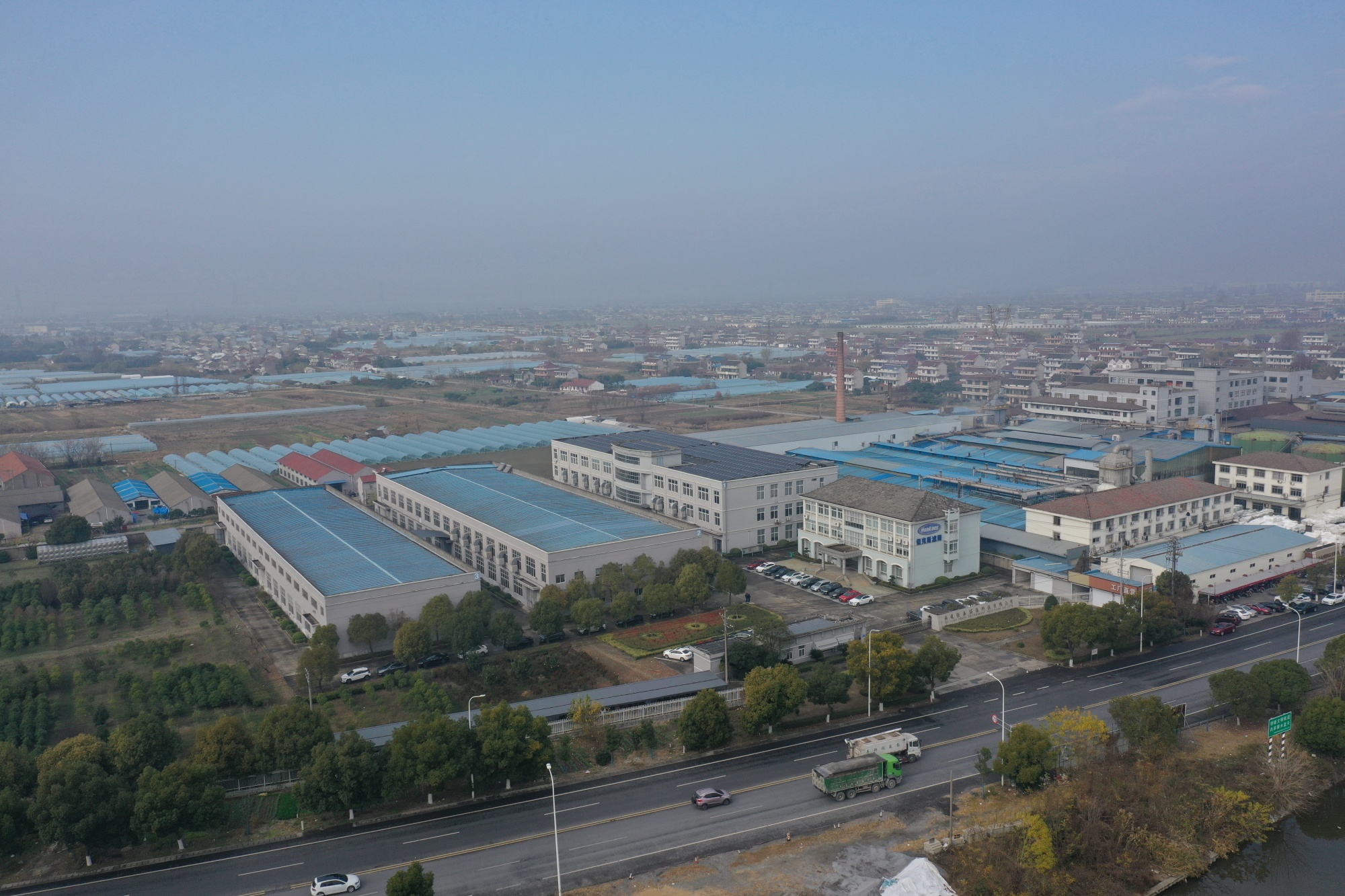
Henkaes production facility: 100% inspection and a monthly capacity of 200,000 pieces support project-scale OEM/ODM supply.
Need a filter specification for your project?
Download the Henkaes air filter E-Catalogue to review the product range, or contact Peter Zhou for a quote and sample:
Email: peter@airfilter-china.com
Tel/WhatsApp: +86 138-1376-6750
Website: www.airfilterodm.com
Address: No 5169, Bin’gang Ave, Binjiang Subdistrict, Haimen District, Nantong City, Jiangsu Province, China 226113
Have Questions or Need More Details?
Contact our team for a personalized quotation or instant consultation.
Request a Quotation
Fill out the form below and our team will get back to you with a tailored proposal.
WhatsApp Direct Chat
Prefer to chat in real-time? Message us on WhatsApp for instant assistance & quick answers.
- Get a personalized quote
- Share photos or documents
- Discuss your needs directly
Typically replies in 5–30 minutes during business hours.