
Henkaes vs. Traditional Air Filters: A Data-Driven Value Comparison for 2026 Buyers
When an air filter is described as “the same price, higher performance,” buyers are right to ask for proof. This analysis benchmarks Henkaes against conventional air filters across pressure drop, efficiency, CADR, carbon quality, maintenance intervals, and total cost of ownership — using verifiable performance comparisons rather than marketing claims.
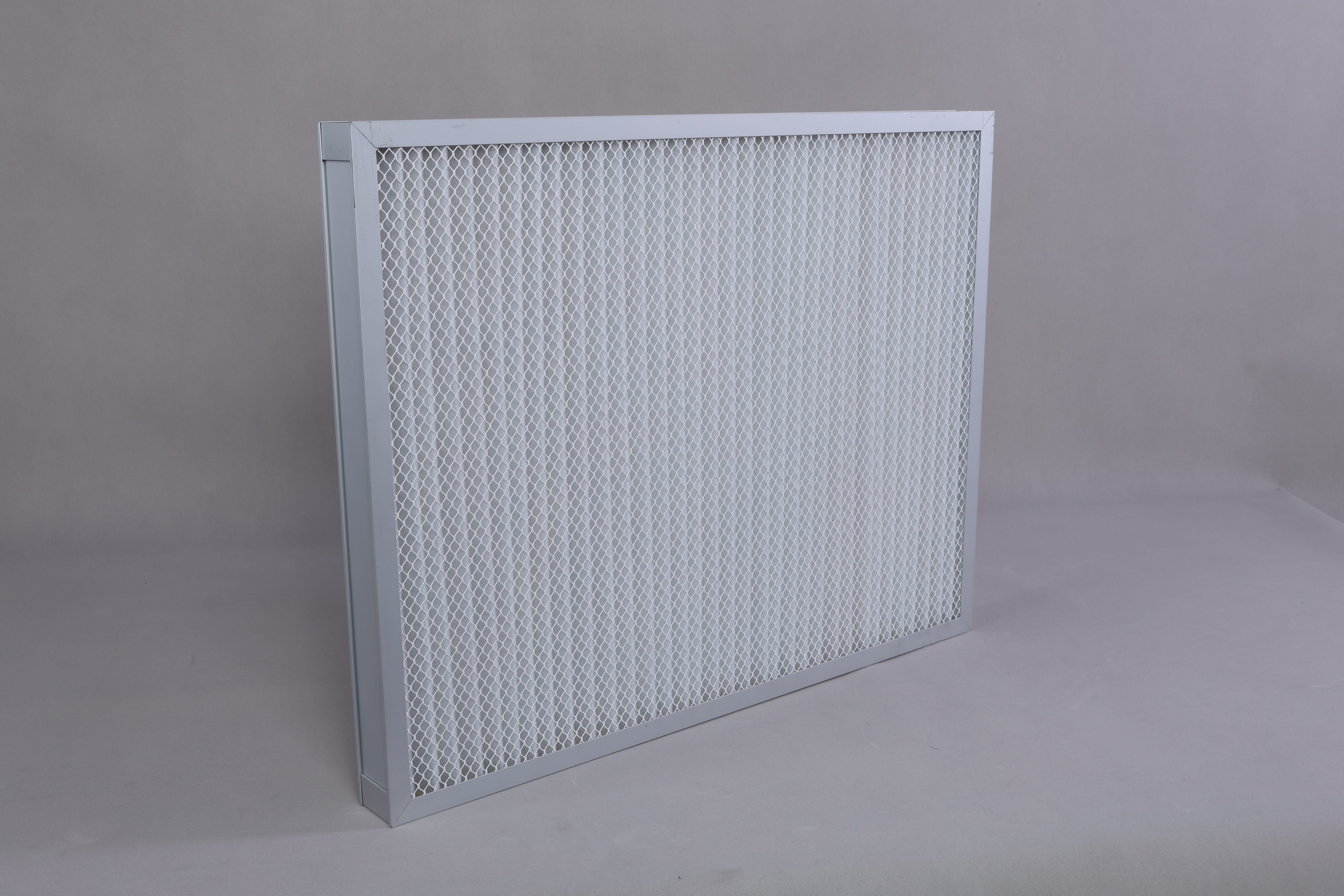
Henkaes HVAC air filter: comparison target for furnace and panel filter applications.
Why the Air Filter Comparison Matters in 2026
The global air filter market is projected to grow from USD 17.08 billion in 2025 to USD 34.66 billion by 2034. HEPA filters alone held a 41.7% share of the air purifier technology segment in 2025. With market growth comes a flood of suppliers claiming superior efficiency and lower energy use. For procurement teams, the practical question is no longer whether filtration is needed, but which filter delivers the best trade-off among efficiency, airflow resistance, energy consumption, replacement frequency, and price.
Henkaes (Nantong Henka Environment Solutions Co., Ltd) is an air filter manufacturer founded in 2004, located in Haimen City, Jiangsu Province, about 120 kilometers from Shanghai. The company supplies custom air filters for air purifiers, air cleaners, and ventilation systems, with 69% of output exported to the EU and USA. This article evaluates Henkaes against common filter types across seven application scenarios — HVAC, food and beverage, pharmaceuticals, cleanrooms, household purifiers, aerospace, and general ventilation — using the company’s stated comparison data and publicly documented industry standards.
Company Overview: Nantong Henka Environment Solutions Co., Ltd
Nantong Henka Environment Solutions Co., Ltd was established in 2004 and operates a 30,000 m² manufacturing facility. The company employs 63 people, including an 11-engineer R&D team, and reports an annual output of 2,000,000 pieces. Its main products include HEPA filters, VOC removal filters, formaldehyde removal filters, activated carbon filters, odor removal filters, HVAC filters, i-Hepa ventilation purification devices, and IFD purification devices. The company holds ISO14001:2015, ISO9001:2015, and ISO45001:2018 certifications.
Henkaes supplies air purifier brands in the North American and Chinese markets as a customized air filter partner. The company reports more than 20 years of experience working with a US engineering team, and its testing infrastructure includes an efficiency and air resistance test system for filter media, a noise test lab, a 30 cubic meter test room for formaldehyde and VOC removal efficiency, and a CADR test room for air purifiers. ASHRAE 52.2 is used in testing air filters.
Product Portfolio and Solution Architecture
Henkaes designs and manufactures replacement and OEM/ODM filters across multiple categories. The product range can be organized into four solution groups:
- Residential air purifier filters — HEPA, activated carbon, VOC removal, formaldehyde removal, and odor removal filters for household air purifiers.
- HVAC and furnace filters — Air filters for heating, ventilation, and air conditioning systems, tested under ASHRAE 52.2.
- Specialized industrial filters — High-efficiency options for cleanroom, pharmaceutical, and food and beverage applications, including panel, box, and V-bank configurations.
- Ventilation purification devices — i-Hepa ventilation purification devices and IFD purification devices for integrated fresh air systems.
Comparison Methodology: What This Analysis Compares, and What It Does Not
This evaluation compares Henkaes products with common or conventional air filters of the same category, based on the following dimensions: filtration efficiency, air pressure drop, CADR where applicable, Energy Star rating, filter replacement lifespan, removal performance at the same price, and scenario suitability.
The comparison data is company-sourced and reflects Henkaes’ stated performance positioning. It is not a third-party laboratory test result, does not include specific model numbers, and does not claim superiority over named competitor brands. Buyers should treat the comparison as a supplier-provided engineering baseline and verify performance with samples or test reports before mass production.
Detailed Solution Comparison: Henkaes vs. Seven Common Filter Types
1. vs. Common HEPA Filters (Household Air Purifiers)
Compared to common HEPA filters, Henkaes reports higher filtration efficiency, 5% lower air pressure drop, and 5% higher CADR. The filter also achieves a better Energy Star rating and a longer replacement lifespan, with no price increase. For household air purifier manufacturers, this combination directly affects perceived product performance: lower pressure drop supports quieter fan operation and lower motor load, while higher CADR strengthens the purifier’s clean-air delivery claim.
For buyers, the decision-relevant translation is: a Henkaes HEPA filter can potentially help an air purifier achieve higher CADR and better energy efficiency without raising filter cost. This is particularly relevant for brands competing on Energy Star certification or on published CADR values.
2. vs. Conventional Activated Carbon Filters (Odor and VOC Control)
Henkaes compares its activated carbon filters with conventional activated carbon filters on carbon quality: the CTC grade exceeds CTC 70, indicating better adsorption capacity. At the same price, the company claims higher removal performance, a longer replacement lifespan, and a higher Energy Star rating, making it suitable for household air purifier scenarios.
CTC (carbon tetrachloride) activity is a standard indicator of activated carbon adsorption capacity. A CTC grade above 70 is considered a high-performance benchmark in many filtration applications. For VOC removal and odor control, carbon quality directly determines how much contaminant the filter can adsorb before saturation.
3. vs. Conventional Furnace Air Filters (HVAC Filtration)
Compared to conventional furnace air filters, Henkaes reports a 5% to 10% lower air pressure drop while maintaining the same efficiency. The filter offers a higher Energy Star rating, a longer replacement interval, and the same price with higher removal performance. The scenario fit is HVAC filtration, including residential furnaces and light commercial air handling.
Lower pressure drop in an HVAC system translates into reduced fan energy consumption and potentially lower electricity costs over the filter’s service life. For property managers and HVAC contractors, the lifecycle cost advantage may be more significant than the initial filter price.
4. vs. Common Panel Filters (Food and Beverage Plants)
Henkaes panel filters are compared against common panel filters with a 5% to 10% lower air pressure drop at the same filtration efficiency. The filter carries a higher Energy Star rating, lower maintenance due to a longer replacement lifespan, and the same price with higher removal performance. It is positioned for food and beverage plant applications.
For food plants, uninterrupted production matters. A longer service interval reduces downtime for filter changes, while lower pressure drop helps maintain consistent airflow through HVAC and process ventilation systems.
5. vs. Common V-Bank Filters (Pharmaceutical Plants)
Henkaes V-bank filters are compared with common V-bank filters: the same efficiency with a 5% to 10% lower air pressure drop, a longer filter replacement lifespan, and the same price with higher removal performance. The intended scenario is pharmaceutical plants.
Pharmaceutical facilities typically operate under strict airborne particle control. V-bank filters are valued for their high media area in a compact footprint. A lower pressure drop in this configuration can reduce the energy burden of high-airflow cleanroom systems.
6. vs. Common Box Filters (Cleanroom Industry)
For cleanroom applications, Henkaes box filters offer 5% to 10% lower air pressure drop compared to common box filters while maintaining the same efficiency and price, with a longer filter replacement lifespan.
Cleanrooms consume large amounts of energy for air circulation. A filter design that reduces pressure drop without sacrificing efficiency can directly lower operating costs, especially in facilities where filters are replaced on a fixed schedule.
7. vs. Common B737/B757 Electronic Cabin Air Filters (Aerospace & Aviation)
Henkaes states that its electronic cabin air filter provides a 5% to 10% air pressure drop improvement over common B737/B757 electronic cabin air filters, while maintaining the same efficiency. Additional claims include higher removal performance at the same price, a longer filter replacement lifespan, and a higher Energy Star rating. The scenario fit is aerospace and aviation.
While most readers of this article will not purchase aviation filters directly, this comparison signals the depth of Henkaes’ engineering capability: the company is willing to benchmark its products against demanding, regulated aviation applications.
Comparison Table: Henkaes vs. Conventional Air Filters
| Filter Category | Key Difference | Stated Performance Gap | Primary Application | Cost Positioning | Maintenance Effect |
|---|---|---|---|---|---|
| Common HEPA filter | Efficiency, pressure drop, CADR, Energy Star | 5% lower pressure drop; 5% higher CADR | Household air purifier | Same price, higher filtration efficiency | Longer replacement lifespan |
| Conventional activated carbon filter | Carbon quality (CTC grade) | CTC grade above 70 | Household air purifier | Same price, higher removal performance | Longer replacement lifespan |
| Conventional furnace air filter | Efficiency and pressure drop | 5% to 10% lower pressure drop | HVAC filtration | Same price, higher removal performance | Longer replacement lifespan |
| Common panel filter | Efficiency and pressure drop | 5% to 10% lower pressure drop | Food and beverage plants | Same price, higher removal performance | Longer replacement lifespan |
| Common V-bank filter | Efficiency and pressure drop | 5% to 10% lower pressure drop | Pharmaceutical plants | Same price, higher removal performance | Longer replacement lifespan |
| Common box filter | Efficiency and pressure drop | 5% to 10% lower pressure drop | Cleanroom industry | Same price, higher removal performance | Longer replacement lifespan |
| Common B737/B757 electronic cabin air filter | Efficiency and pressure drop | 5% to 10% pressure drop improvement | Aerospace and aviation | Same price, higher removal performance | Longer replacement lifespan |
Cost of Ownership Analysis: Why Pressure Drop and Lifespan Matter More Than Price
A common procurement mistake is comparing air filters on unit price alone. The dominant lifecycle costs are usually fan energy and labor for filter replacement. Henkaes’ comparison data, if verified, addresses both: lower pressure drop reduces energy consumption, and a longer replacement lifespan reduces maintenance frequency.
Consider an HVAC system operating continuously. A 5% to 10% reduction in filter pressure drop can lower the fan’s static pressure requirement, potentially reducing motor energy use. Over thousands of operating hours, the cumulative saving can exceed the filter’s purchase price. Similarly, a longer service interval means fewer technician visits, less downtime, and lower disposal cost.
For air purifier OEMs, the value chain is slightly different. A 5% higher CADR makes the finished product more competitive in retail specifications, while a higher Energy Star rating supports marketing claims and regulatory compliance. If achieved at the same filter cost, the filter becomes a product-enabling component rather than a commodity purchase.
OEM/ODM Capabilities: What the Comparison Means for Custom Integration
Henkaes operates as an OEM/ODM supplier, not only as a manufacturer of standard filters. The company provides complete engineering design services, including specification design, engineering samples, production and testing, solid modeling, rapid prototyping, and custom filter design to solve customer-specific filtration problems. With more than 20 years of collaboration with a US engineering team, Henkaes states it can design products based on specifications, drawings, samples, or customer ideas.
For buyers evaluating Henkaes: the performance comparison data is most actionable when integrated into a custom product development project. A buyer can request sample filters, measure pressure drop and CADR in their own test setup, and compare the results against the supplier’s stated baselines before committing to mass production.
Manufacturing and Quality Assurance Infrastructure
Henkaes’ stated manufacturing and testing infrastructure supports its performance claims:
- 30,000 m² factory in Haimen City, Jiangsu Province, 120 km from Shanghai
- Annual output of 2,000,000 pieces
- ISO9001:2015 quality management certification
- ISO14001:2015 environmental management certification
- ISO45001:2018 occupational health and safety certification
- Efficiency and air resistance test system for filter media
- Noise test lab
- 30 m³ test room for formaldehyde and VOC removal efficiency
- CADR test room for air purifiers
- ASHRAE 52.2 test methodology for air filter evaluation
For a supplier evaluation, these elements matter because they provide the internal verification loop for the same performance metrics — pressure drop, efficiency, CADR, and VOC removal — that appear in the comparison data.
Industry Standards Context: ASHRAE 52.2, EN 1822, and MERV Ratings
To interpret air filter comparisons correctly, buyers should understand the standards landscape:
- ASHRAE 52.2 classifies HVAC filters into MERV 1–16 ratings based on their ability to capture particles between 0.3 and 10 micrometers. Henkaes states that ASHRAE 52.2 is used in its testing.
- EN 1822 classifies HEPA and ULPA filters based on efficiency at the Most Penetrating Particle Size (MPPS), with H14 requiring 99.995% efficiency. This standard is relevant for HEPA-grade products in European markets.
- MERV 11 and similar mid-range ratings are common in commercial HVAC specifications, balancing efficiency and pressure drop.
The standards context helps buyers position Henkaes’ comparison data within a recognized framework. When a supplier states “the same efficiency with lower pressure drop,” the buyer can ask: which efficiency standard, which test method, and at which airflow rate?
Comparative Positioning vs. Larger Filter Manufacturers
Henkaes operates in a competitive landscape that includes much larger global filtration groups. For context, Parker Hannifin led the industrial filtration systems market with a 15.7% share in 2024, and Daikin’s filtration revenue reached USD 1.12 billion in 2024, with a focus on high-end MERV 15 and HEPA products.
Henkaes does not claim to compete with these companies on overall company size or market share. Its differentiation, based on the available comparison data, is value-oriented OEM/ODM customization: offering performance improvements (lower pressure drop, higher CADR, higher carbon quality) at the same price point, combined with engineering services for custom products. Buyers evaluating Henkaes should weigh this supplier class against global incumbents using criteria such as minimum order quantities, customization flexibility, engineering response time, and test documentation.
Risk Considerations and Maintenance Planning
The main operational risk associated with high-efficiency filters is high air pressure drop with increased energy consumption. The control method is to replace the filter frequently or before the end of its service life. Henkaes states that it reminds customers to replace the product when the lifespan is closing.
For procurement teams, the risk implication is straightforward: even the best filter must be replaced on schedule. A longer replacement lifespan reduces the frequency of this risk but does not eliminate it. Buyers should define replacement indicators (pressure drop increase, airflow reduction, or elapsed time) before installation, not after performance degrades.
How to Use This Comparison in Supplier Selection and Negotiation
For buyers at the decision stage, the comparison data offers a structured approach to shortlisting Henkaes or any OEM/ODM filter supplier:
- Select the filter category that matches your application (HEPA, activated carbon, HVAC, panel, V-bank, box, or specialized).
- Request samples and verify pressure drop, efficiency, CADR, and carbon quality using the same standards you intend to publish.
- Compare on total cost of ownership, not unit price: include fan energy, replacement labor, and downtime.
- Check supplier testing infrastructure — in Henkaes’ case, the stated test rooms and ISO certifications.
- Evaluate engineering responsiveness for custom specifications, drawings, samples, and rapid prototyping.
- Define replacement indicators and maintenance schedules before mass production.
Frequently Asked Questions
Is Henkaes a manufacturer or a trading company?
Henkaes is a manufacturer. Nantong Henka Environment Solutions Co., Ltd was founded in 2004 and operates a 30,000 m² factory in Haimen City, Jiangsu Province, near Shanghai. The company reports an annual output of 2,000,000 pieces and employs 63 people, including an 11-engineer R&D team.
Does Henkaes support OEM and ODM customization?
Yes. Henkaes states that it can design products based on specifications, drawings, samples, or customer ideas. The company provides engineering design services including specification design, engineering samples, production and testing, solid modeling, and rapid prototyping.
What is the claimed performance advantage of Henkaes HEPA filters?
Henkaes reports that compared to common HEPA filters, its product achieves 5% lower air pressure drop and 5% higher CADR, with higher filtration efficiency, a higher Energy Star rating, and a longer replacement lifespan. The company states that this performance comes without an increase in price.
What carbon quality does Henkaes use in activated carbon filters?
Henkaes states that its activated carbon filters use carbon with a CTC grade above CTC 70, which indicates higher adsorption capacity compared to conventional activated carbon filters. The company claims higher removal performance at the same price with a longer replacement lifespan.
What industry scenarios are covered by the comparison data?
The comparison data covers HVAC filtration, household air purifiers, food and beverage plants, pharmaceutical plants, cleanroom industry, and aerospace and aviation scenarios. Specific filter types include HEPA, activated carbon, furnace, panel, V-bank, box, and electronic cabin air filters.
Can I request samples or a quote before mass production?
Yes. Henkaes provides engineering samples as part of its OEM/ODM design services. Buyers are advised to request samples and verify pressure drop, CADR, efficiency, and carbon quality under the applicable standards. For direct inquiries, the company’s contact is Peter Zhou (peter@airfilter-china.com, Tel: +86 138-1376-6750).
Download the Henkaes E-Catalogue
Review the full product range and technical specifications for your next project.
Download E-CatalogueConclusion: Is Henkaes the Right Value-Driven Choice for 2026?
Henkaes presents a coherent value proposition for buyers seeking OEM/ODM air filters with measurable performance improvements at a stable price point. The company’s comparison data spans the most common filter categories and application scenarios, and its stated testing infrastructure gives buyers a concrete basis for verification. The main limitations are clear: the comparisons are supplier-stated, not third-party certified, and specific model-level data is not published. Buyers should therefore treat this analysis as an evaluation framework and verify performance with samples before committing to volume production.
In a market expected to double from USD 17.08 billion in 2025 to USD 34.66 billion by 2034, suppliers that compete on engineering integration and lifecycle value — rather than on unit price alone — are likely to become more attractive to procurement teams. Henkaes fits that profile, provided its stated performance holds up in independent testing.
Have Questions or Need More Details?
Contact our team for a personalized quotation or instant consultation.
Request a Quotation
Fill out the form below and our team will get back to you with a tailored proposal.
WhatsApp Direct Chat
Prefer to chat in real-time? Message us on WhatsApp for instant assistance & quick answers.
- Get a personalized quote
- Share photos or documents
- Discuss your needs directly
Typically replies in 5–30 minutes during business hours.