
The 2026 Air Filter Compliance Landscape: How Smart Manufacturing Meets Regional Standards
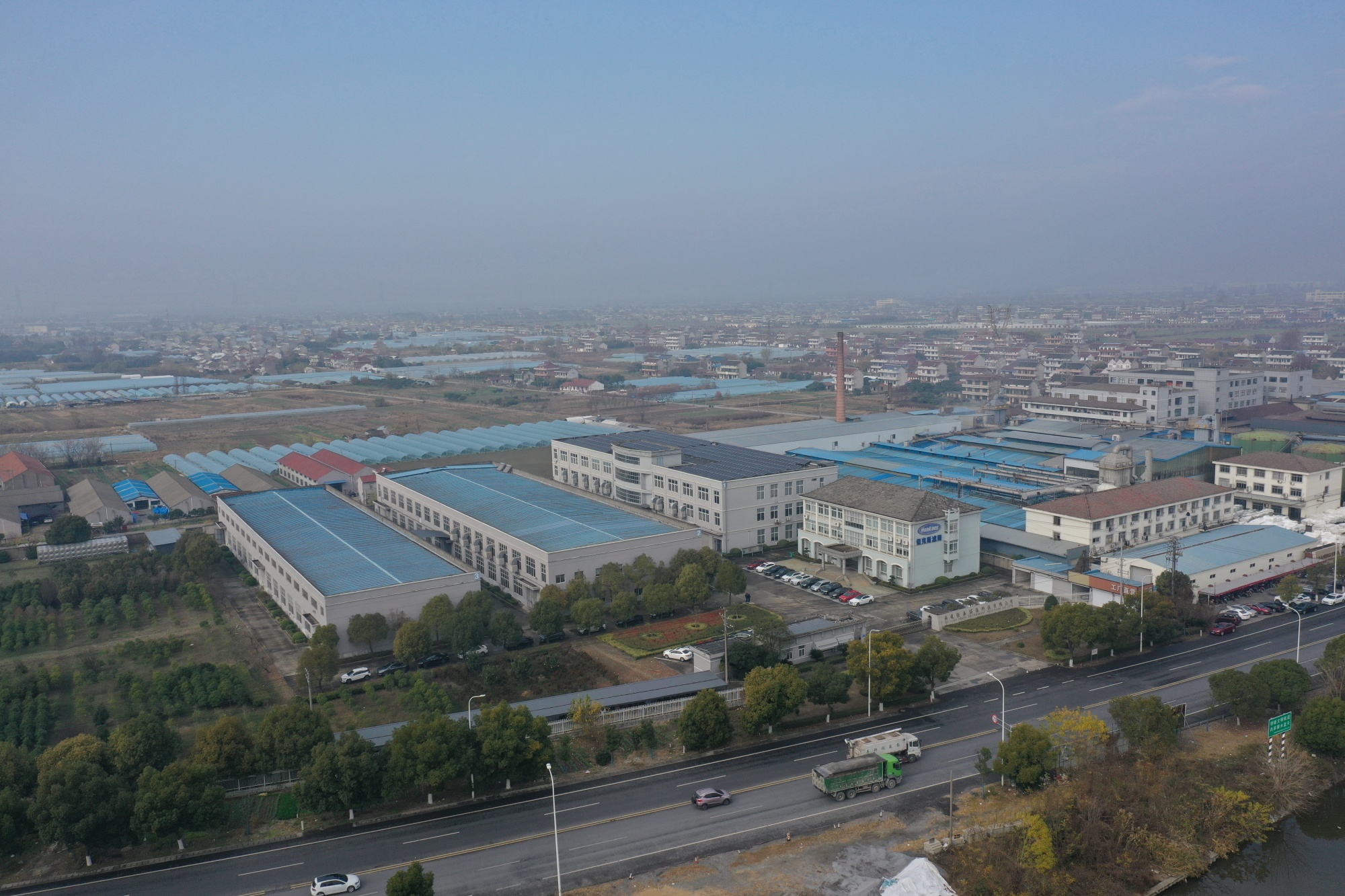
Air filter compliance is now decided as much on the production line as in the test report.
Air filter compliance in 2026 is a moving target, not a fixed certificate. A filter specified as MERV 11 for a North American HVAC project is not automatically acceptable for a European cleanroom that expects classification under EN 1822, and neither grade tells a buyer whether the factory can reproduce that performance in the next container load. Compliance has therefore moved upstream: it is now answered as much on the production line as in the laboratory report.
This article maps the main regional frameworks — ASHRAE 52.2 MERV ratings, EN 1822 for EPA, HEPA and ULPA filters, and the European migration from EN 779 to ISO 16890 — against the efficiency bands buyers actually specify, from G1–G4 primary filters through MERV 8–16 ventilation grades to H13, U14 and U15 high-efficiency classes. It then explains how smart manufacturing practice at a supplier such as Henkaes converts those grade requirements into repeatable production, and what that means for buyers moving from a decision into execution and long-term supply.
Short answer: Regional compliance is defined by different standard families, not by one global grade. North American general ventilation filters are classified through ASHRAE 52.2 MERV values, European high-efficiency filters are classified under EN 1822 as EPA, HEPA or ULPA, and European general ventilation has used ISO 16890 since EN 779 was replaced in mid-2018. Meeting all three from one factory requires controlled media selection, tested prototypes, and production consistency — which is where smart manufacturing becomes a compliance tool rather than a marketing term.
Problem Definition: Why Regional Compliance Became a Supply Chain Variable
The problem facing buyers in 2026 is not a shortage of standards. It is the fact that standards do not travel unchanged across borders. A specification written for one market describes a filter class inside a framework, and that framework is tied to a region, a test method and a classification logic. Move the same product into another market and the class label no longer carries the same meaning — even when the physical filter performs the same job in the same air handling unit.
Three practical consequences follow.
- Specification mismatch. A project team may approve a design based on a MERV value, while the destination market's regulator or client expects an EN 1822 or ISO 16890 reference. The filter is not wrong; the documentation and classification language are.
- Batch-to-batch drift. A compliant sample proves a design once. Where compliance is contractual — hospitals, pharmaceutical plants, cleanrooms, food and beverage production — the buyer needs the same classification repeated across every order. Media variation, pleat geometry changes and sealing quality all move efficiency and pressure drop.
- Lifecycle cost and energy. Filters that hold a class but lose pressure-drop performance raise fan energy consumption and force more frequent replacement. This risk type is documented in Henkaes risk control data, where high air pressure drop with higher energy consumption is managed by a defined replacement cycle and by notifying customers when a filter approaches the end of its service lifespan.
For a buyer at the decision-to-execution stage, the useful question is therefore not “which filter is best” but “which class does my destination market recognise, and can this supplier hold that class reproducibly?”
Industry Background: One Product Category, Four Framework Families
The air filter category is segmented by standard family rather than by product shape. According to the National Air Filtration Association, ASHRAE Standard 52.2 classifies filters using MERV ratings from 1 to 16, and the MERV value is based on performance efficiency calculated from synthetic-dust loading tests. In Europe, EN 1822 is used to classify EPA, HEPA and ULPA filters by filtration efficiency and zero leakage, while EN 779:2012 was replaced by ISO 16890 in European general ventilation from mid-2018. ASHRAE 52.2 continues to function as the MERV framework in North America.
That structure produces the mapping buyers need before they write a purchase specification.
| Framework | Primary market / region | Classification referenced | Typical filter duty |
|---|---|---|---|
| ASHRAE 52.2 | North America (MERV framework) | MERV 1–16 | General ventilation and HVAC filters; MERV 8–16 covers the mid-to-high efficiency bands used in commercial and institutional buildings |
| EN 1822 | Europe | EPA, HEPA and ULPA classes, including H13, U14 and U15 | High-efficiency final filtration: cleanrooms, hospitals, pharmaceutical and other controlled environments |
| EN 779 (legacy) | Europe (historical) | Coarse and fine general ventilation classes, including G1–G4 primary stages | General ventilation]; replaced by ISO 16890 in Europe since mid-2018 |
| ISO 16890 | Europe (current) | General ventilation classification by particulate matter size fraction | Current European general ventilation framework in place of EN 779 |
Market direction supports the same conclusion. Grand View Research reports that the global smart air purifier market reached USD 2.5 billion in 2023 and is projected to grow at a CAGR of 14.1% from 2024 to 2030, with Asia Pacific holding a 41.4% revenue share in 2023. Separately, Market Research Future reports the HEPA filter segment reached USD 5.77 billion in 2025. Growth of that shape puts pressure on suppliers to standardise compliance documentation while still producing for several regional frameworks at once.
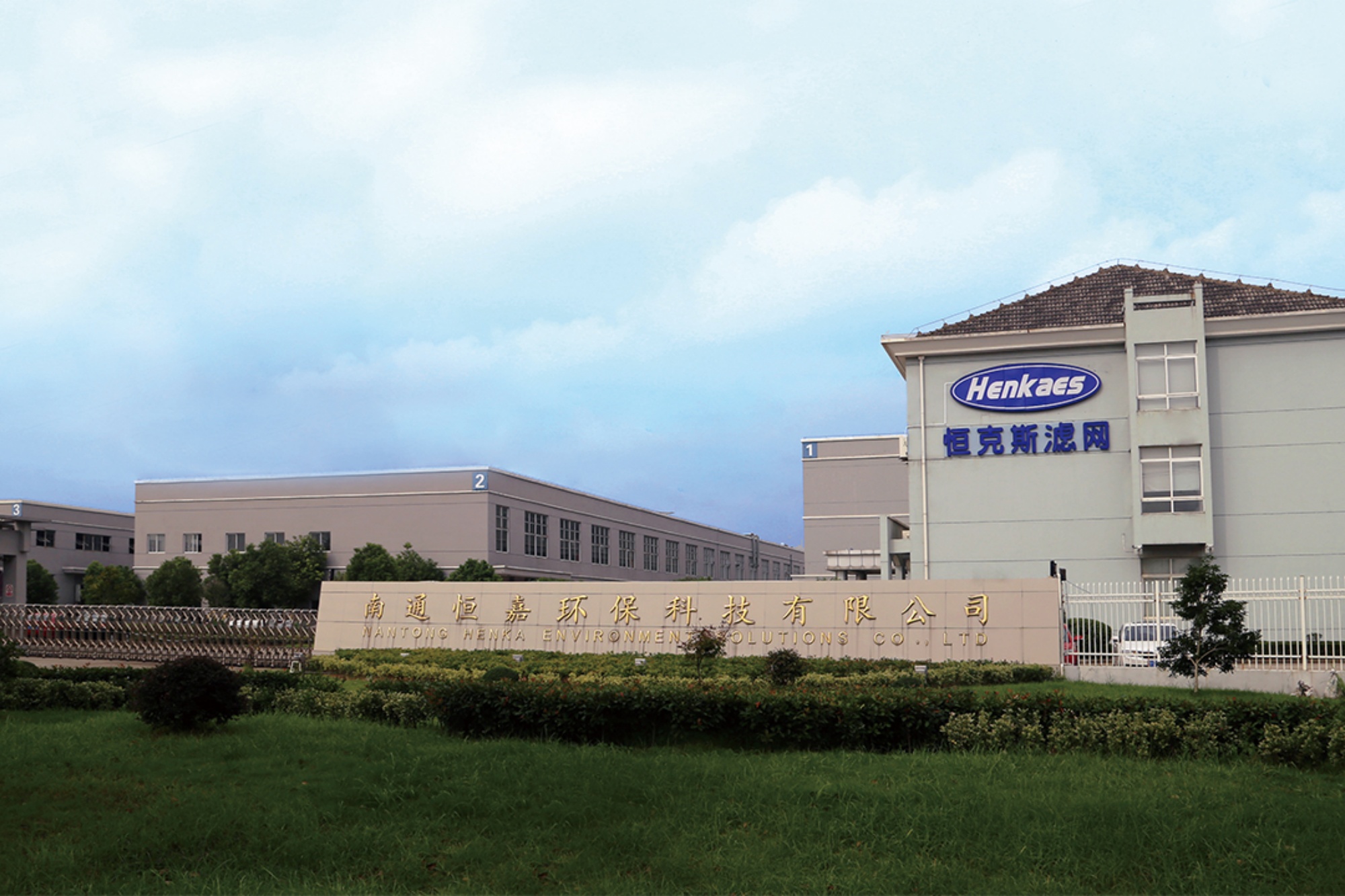
Compliance capability is verified at the facility level — not only at the sample level.
Detailed Solution: What Smart Manufacturing Adds to Compliance
Nantong Henka Environment Solutions Co., Ltd. — trading as Henkaes — is a China-based air filter manufacturer founded in 2004, operating a 30,000 m² facility in Haimen District, Nantong, Jiangsu Province, and supplying HEPA, VOC removal, formaldehyde removal, activated carbon, odour removal and HVAC filters for air purifiers, air cleaners and ventilation systems. The company is located roughly 120 kilometres from Shanghai and reports that 69% of its output is exported to the EU and the US.
That export mix is the reason compliance capability matters here. Serving EU and US markets at the same time means producing against more than one framework family, and the company's stated test scope reflects it: Henkaes references EN779, EN1822, ASHRAE 52.2 and ISO 16890 testing on its website, and states that it operates an efficiency and air resistance test system for filter media, a noise test lab, a 30 cubic metre test room for formaldehyde and VOC removal efficiency, and a CADR test room for air purifiers. ASHRAE 52.2 is used in testing air filters.
Smart manufacturing, in this context, describes four concrete mechanisms rather than a slogan.
- Media-level control before assembly. Efficiency and air resistance are measured on the filter media, so a deviation is caught before pleating and framing rather than after. This is the earliest point at which a MERV class or a HEPA class can be protected.
- Prototype-driven design. Henkaes states that it designs products from specifications, drawings, samples or customer ideas, and provides complete engineering design services including filter specification design, engineering sample production, production and testing, solid modelling and rapid prototyping. Prototyping turns a compliance target into a testable object.
- Production consistency at scale. The company reports 63 employees, an 11-engineer R&D team and annual output of 2,000,000 pieces, with monthly production capacity of 200,000 pieces. Consistency across a programme depends on holding those volumes without re-engineering the product.
- Documented service-life management. Documented risk control links high air pressure drop and higher energy consumption to a defined replacement cycle, with customers notified as the service lifespan closes.
The company also holds ISO 14001:2015, ISO 9001:2015 and ISO 45001:2018 certifications covering the design and production of air filters, air purifiers and fresh air machines, and reports more than 20 years of experience working with a US engineering team.
Step-by-Step Breakdown: Building a Filter That Holds Its Class
Step 1 — Fix the destination market and its framework
Start with the market, not the product. North American general ventilation projects are specified through ASHRAE 52.2 MERV values. European high-efficiency positions — hospital isolation rooms, cleanrooms, aseptic areas — are specified through EN 1822 classes such as H13, U14 or U15. European general ventilation positions now reference ISO 16890, with EN 779 remaining relevant only for legacy specifications and existing installed equipment.
Step 2 — Translate the class into construction
A class is a performance statement; the construction decides whether it is achievable. Media type, pleat density, separator type, frame rigidity and seal integrity must all be chosen to serve the declared class. Rigid formats — box, V-bank and panel constructions — behave differently in pressure drop and mechanical stability, which is why the same nominal class can produce different operating costs.
Step 3 — Validate media and prototype
Test media efficiency and air resistance first, then build the prototype. Henkaes states that it produces engineering samples, applies solid modelling and rapid prototyping, and tests against referenced standards. For the buyer, this step should produce evidence: a media test record and a prototype test report in the destination framework.
Step 4 — Agree the acceptance test before production
Henkaes purchase terms specify pre-shipment test as the acceptance criterion. This is the point at which a compliance claim becomes an enforceable delivery condition rather than a brochure line.
Step 5 — Lock production consistency
Repeatability depends on capacity discipline. Annual output of 2,000,000 pieces and monthly capacity of 200,000 pieces, supported by a dedicated engineering team, define the size of programme a supplier can hold without substituting materials mid-order.
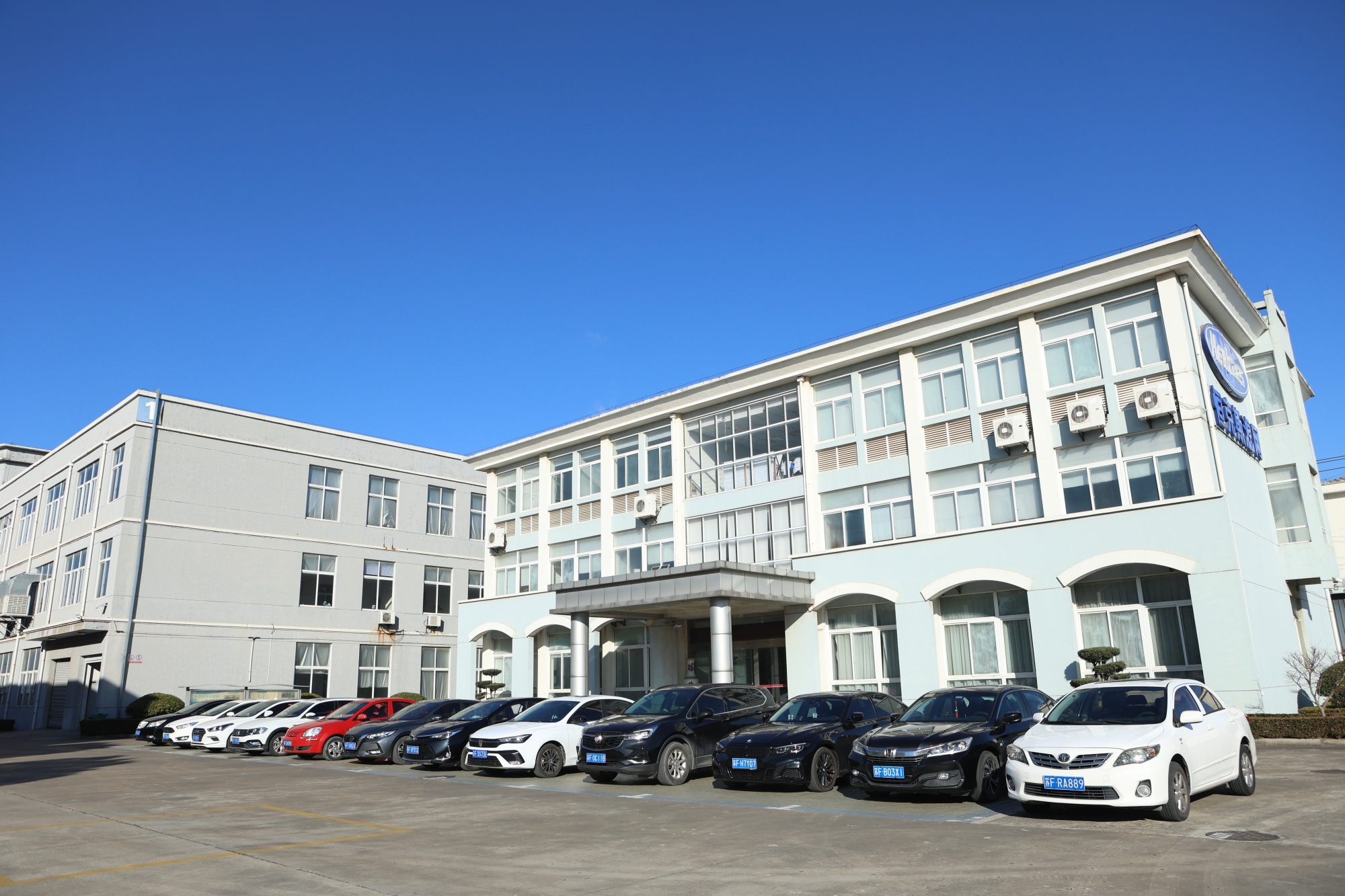
Repeatability across orders is the part of compliance that a single sample cannot prove.
Step 6 — Plan the replacement cycle with procurement
Compliance continues after installation. Filters running above their design pressure drop increase fan energy consumption, so the replacement interval should be written into the contract alongside the class. Suppliers that notify customers as service life closes turn a technical risk into a scheduled maintenance item.
Step 7 — Confirm commercial terms for execution
Henkaes purchasing terms are a minimum order quantity of 500 PCS, delivery terms FOB, EXW or DDP, acceptance by pre-shipment test, and payment terms of TT 50% / 50%. Typical lead time is 30 days. For buyers in the execution stage, those four items — MOQ, delivery term, acceptance test and lead time — should be confirmed before the first production order, not after.
Use Cases: Where Regional Compliance Actually Bites
Airport terminals and aviation
Airport buildings combine very high air volumes with long operating hours, so pressure drop drives operating cost. Aviation adds a separate compliance layer for cabin air filtration. Henkaes comparative data for its electronic cabin air filter, benchmarked against a common B737/B757 electronic cabin air filter, reports the same efficiency with a 5%–10% lower air pressure drop, indexed to aerospace and aviation use.
Pharmaceutical plants
Pharmaceutical production areas sit in the high-efficiency band where European projects reference EN 1822 classes such as H13. Henkaes comparative data for its V-bank filter, benchmarked against a common V-bank filter in pharmaceutical plant filtration, reports the same efficiency with a 5%–10% lower air pressure drop. Lower pressure drop at the same class means less fan energy for the same air quality outcome.
Cleanrooms and microelectronics
Cleanroom final filtration tolerates very little variation. Henkaes comparative data for its box filter, benchmarked against a common box filter in the cleanroom industry, reports the same efficiency with a 5%–10% lower air pressure drop — a relevant margin when terminal filters are changed on a fixed cycle.
Food and beverage plants
Panel filter positions in food and beverage plants are usually the first barrier before higher-efficiency stages. Henkaes comparative data for its panel filter, benchmarked against a common panel filter in food and beverage plants, reports the same efficiency with a 5%–10% lower air pressure drop.
HVAC and furnace filtration
In North American HVAC and furnace applications, where MERV values between 8 and 16 dominate specification language, Henkaes comparative data for its furnace air filter, benchmarked against a conventional furnace air filter, reports the same efficiency with a 5%–10% lower air pressure drop.
Household air purifiers and fresh air systems
Consumer-facing products carry the same logic at smaller scale. Henkaes comparative data for its HEPA filter, benchmarked against a common HEPA filter in household air purifiers, reports air pressure drop lower by 5% and CADR data increased by 5%. For activated carbon filters, the comparison reference is carbon quality: the reported CTC grade is higher than CTC 70, indexed to household air purifier use.
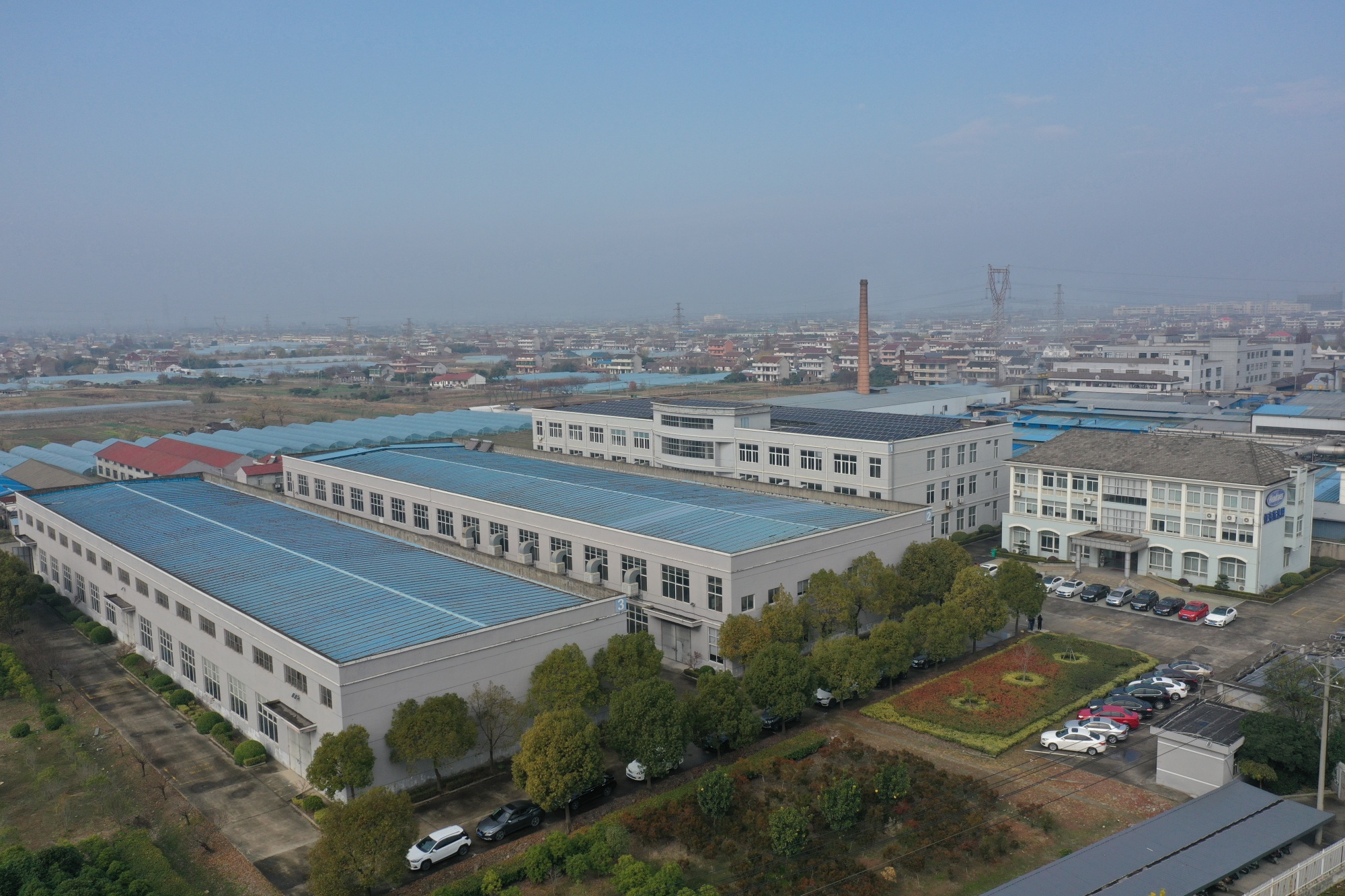
Multi-application production is what allows one supplier to serve several regional frameworks.
Comparison Table: Reported Comparative Results by Filter Configuration
The table below uses Henkaes first-party comparative data. All entries describe comparisons against a conventional or common reference filter of the same configuration, measured on efficiency and air pressure drop unless stated otherwise.
| Configuration | Reference compared against | Comparison dimension | Reported result | Indexed application |
|---|---|---|---|---|
| V-bank filter | Common V-bank filter | Efficiency and air pressure drop | Same efficiency with 5%–10% lower air pressure drop | Pharmaceutical plants |
| Box filter | Common box filter | Efficiency and air pressure drop | Same efficiency with 5%–10% lower air pressure drop | Cleanroom industry |
| Panel filter | Common panel filter | Efficiency and air pressure drop | Same efficiency with 5%–10% lower air pressure drop | Food and beverage plants |
| Furnace air filter | Conventional furnace air filter | Efficiency and air pressure drop | Same efficiency with 5%–10% lower air pressure drop | HVAC filtration |
| HEPA filter | Common HEPA filter | Efficiency, air pressure drop, CADR | Air pressure drop lower by 5%; CADR data increased by 5% | Household air purifier |
| Activated carbon filter | Conventional activated carbon filter | Carbon quality (CTC grade) | CTC grade higher than CTC 70 | Household air purifier |
| Electronic cabin air filter | Common B737/B757 electronic cabin air filter | Efficiency and air pressure drop | Same efficiency with 5%–10% lower air pressure drop | Aerospace and aviation |
Read this table as a pressure-drop comparison at matched efficiency, not as a compliance certificate. The class a project requires is still set by the destination framework — MERV under ASHRAE 52.2, EPA, HEPA or ULPA under EN 1822, or the ISO 16890 framework in European general ventilation — and the comparative gain sits on top of that class.
FAQ: Compliance, Capability, Budget, Sample and Lead Time
Which air filter standard applies to my target market?
It depends on the market and the filter duty. In North America, general ventilation and HVAC filters are classified through ASHRAE Standard 52.2, which uses MERV ratings from 1 to 16 and derives the value from synthetic-dust loading tests. In Europe, high-efficiency filters — EPA, HEPA and ULPA — are classified under EN 1822 by filtration efficiency and zero leakage, which is the framework behind classes such as H13, U14 and U15. European general ventilation has been covered by ISO 16890 since EN 779:2012 was replaced in mid-2018. Because these frameworks are not directly interchangeable, the required class should be declared in the destination framework before a purchase specification is issued.
Can one manufacturer produce filters that satisfy both MERV-based and EN 1822-based requirements?
Yes, if the factory controls media and testing rather than only assembly. Henkaes states on its website that it can provide air purification solutions covering design, sample making, production and testing, and references EN779, EN1822, ASHRAE 52.2 and ISO 16890 testing. Its stated test infrastructure includes an efficiency and air resistance test system for filter media, a noise test lab, a 30 cubic metre test room for formaldehyde and VOC removal efficiency, and a CADR test room for air purifiers, with ASHRAE 52.2 used in filter testing. These statements are company-reported, so buyers should verify the certificates and test records that apply to the specific product and standard during supplier qualification.
What are the minimum order quantity, payment terms and acceptance criteria?
Henkaes purchasing terms specify a minimum order quantity of 500 PCS. Delivery terms are FOB, EXW or DDP. Acceptance criteria are a pre-shipment test. Payment terms are TT 50% / 50%. For a compliance-driven programme, the acceptance test matters most, because it applies the agreed specification to the actual shipment rather than to a reference sample.
Can I validate a filter with a sample before committing to production?
Sampling is part of the stated working model. Henkaes reports that it can design products from specifications, drawings, samples or customer ideas, and that it provides complete engineering design services including filter specification design, engineering sample production, production and testing, solid modelling and rapid prototyping. For a cross-region project, the sample stage should confirm the declared class in the destination framework and record the measured air pressure drop, since both figures determine lifecycle cost.
What is the typical lead time, and how much capacity is behind it?
The typical lead time is 30 days. Behind that lead time, Henkaes reports monthly production capacity of 200,000 PCS and annual output of 2,000,000 pieces, supported by 63 employees and an 11-engineer R&D team in a 30,000 m² facility, with 69% of output exported to the EU and US. Buyers planning a multi-market rollout can review the current specification range by downloading the Henkaes air filter catalogue or sending the target market, required class and annual volume to the engineering team for a scoped response.
Conclusion: Compliance Is a Production Capability, Not a Document
The 2026 compliance landscape is regional by design. ASHRAE 52.2 and its MERV 1–16 scale govern North American general ventilation, EN 1822 governs European high-efficiency filtration through EPA, HEPA and ULPA classes, and ISO 16890 has carried European general ventilation since EN 779 was replaced in mid-2018. A buyer cannot collapse those frameworks into a single number, and a supplier cannot satisfy them with a single test report.
What makes compliance repeatable is the manufacturing layer behind it: media tested for efficiency and air resistance before assembly, prototypes validated against the destination standard, production held steady at scale, pre-shipment testing written into acceptance, and a replacement cycle agreed with procurement so pressure-drop performance does not erode in service. That is the practical meaning of smart manufacturing in air filtration — it is the mechanism that lets one factory serve several regional standards without diluting any of them.
For buyers moving from decision into execution, the sequence is straightforward: confirm the destination framework, translate the class into construction, validate with a prototype, contract on pre-shipment acceptance, and secure a supplier whose capacity and service-life management can hold the class across the whole supply relationship — not just the first order.
Request a Compliance-Matched Sample or Quotation
Send the destination market, the required efficiency class (for example MERV 11, H13, U14 or U15) and your annual volume. Henkaes will confirm the applicable framework, propose a construction, and issue sample and quotation terms against a 500 PCS minimum order quantity and a 30-day typical lead time.
Email: peter@airfilter-china.com | Tel: +86 138-1376-6750 | Website: www.airfilterodm.com
Download the full range: E-Catalogue for Air Filter
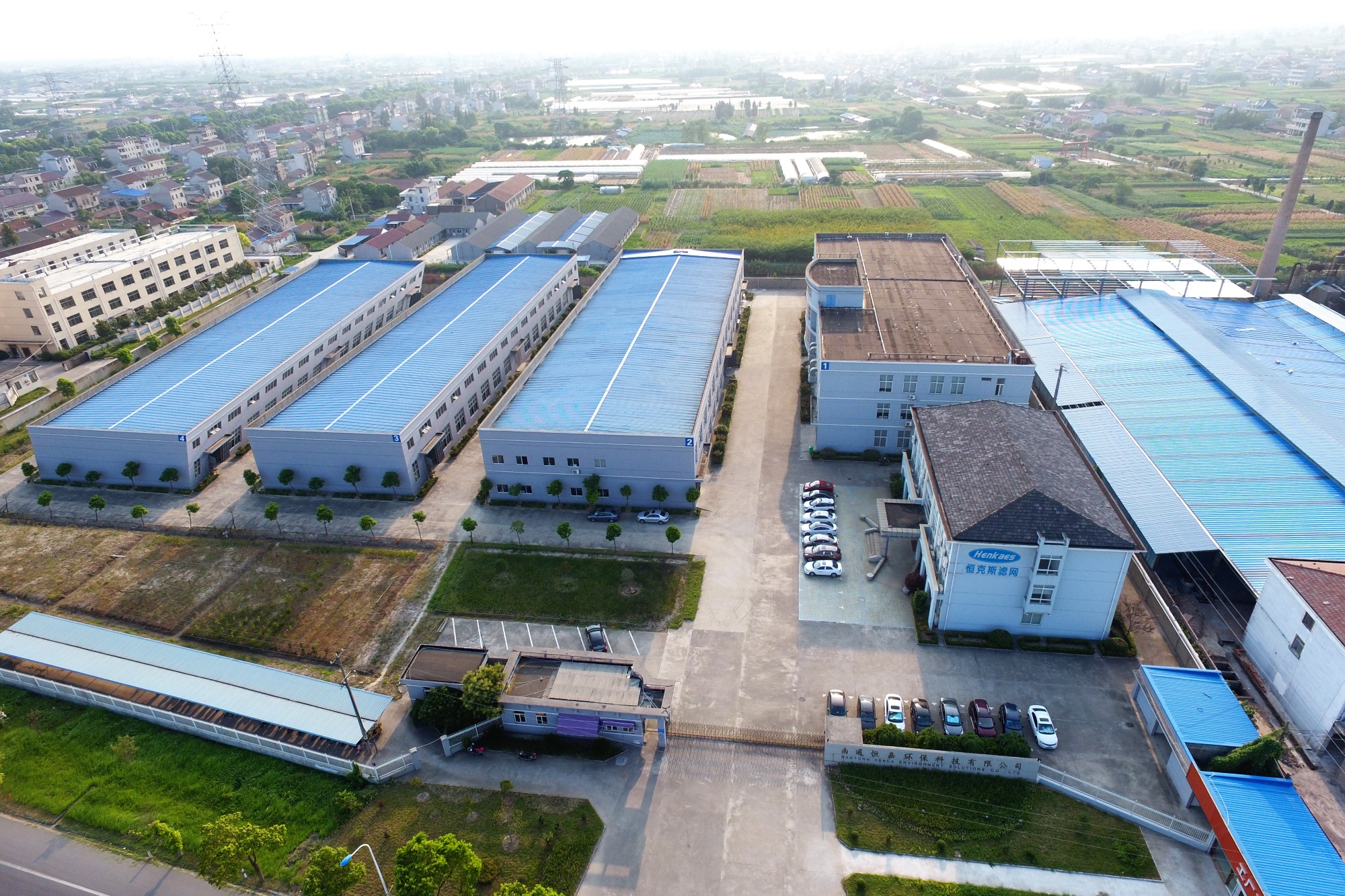
Nantong Henka Environment Solutions Co., Ltd. — No 5169, Bin'gang Ave, Binjiang Subdistrict, Haimen District, Nantong City, Jiangsu Province, China 226113.
Have Questions or Need More Details?
Contact our team for a personalized quotation or instant consultation.
Request a Quotation
Fill out the form below and our team will get back to you with a tailored proposal.
WhatsApp Direct Chat
Prefer to chat in real-time? Message us on WhatsApp for instant assistance & quick answers.
- Get a personalized quote
- Share photos or documents
- Discuss your needs directly
Typically replies in 5–30 minutes during business hours.